讓城市移動更直覺
交通局長葉昭甫以「交通任意門」串聯捷運、轉運中心、偏鄉公車與自駕巴士,打造以人為本的移動城市。
臺中交通局以「交通任意門(i-Doors)」為核心理念,透過創新、整合、智慧三大策略深化「SWEET」核心價值,並以「民眾微笑」衡量施政成效。交通局長葉昭甫指出,交通的關鍵在「化繁為簡」:豐原、水湳、臺中、烏日轉運中心收攏「山海屯城」的移動需求,搭配捷運路網、YouBike倍增計畫與逾200萬人綁定的雙十公車優惠,實現無縫轉乘。偏鄉則以小黃公車在22個行政區開闢26條路線、梨山幸福巴士滿意度達93%,讓既有資源重新整合。水湳自駕巴士以「車、路、網、人、雲」架構完成三期測試、累計逾5,000人次試乘,115年更將延伸至捷運文華高中站,打造約7.7公里智慧接駁路廊。未來「台中Go」將串起各運具,實現一碼在手的無縫移動。
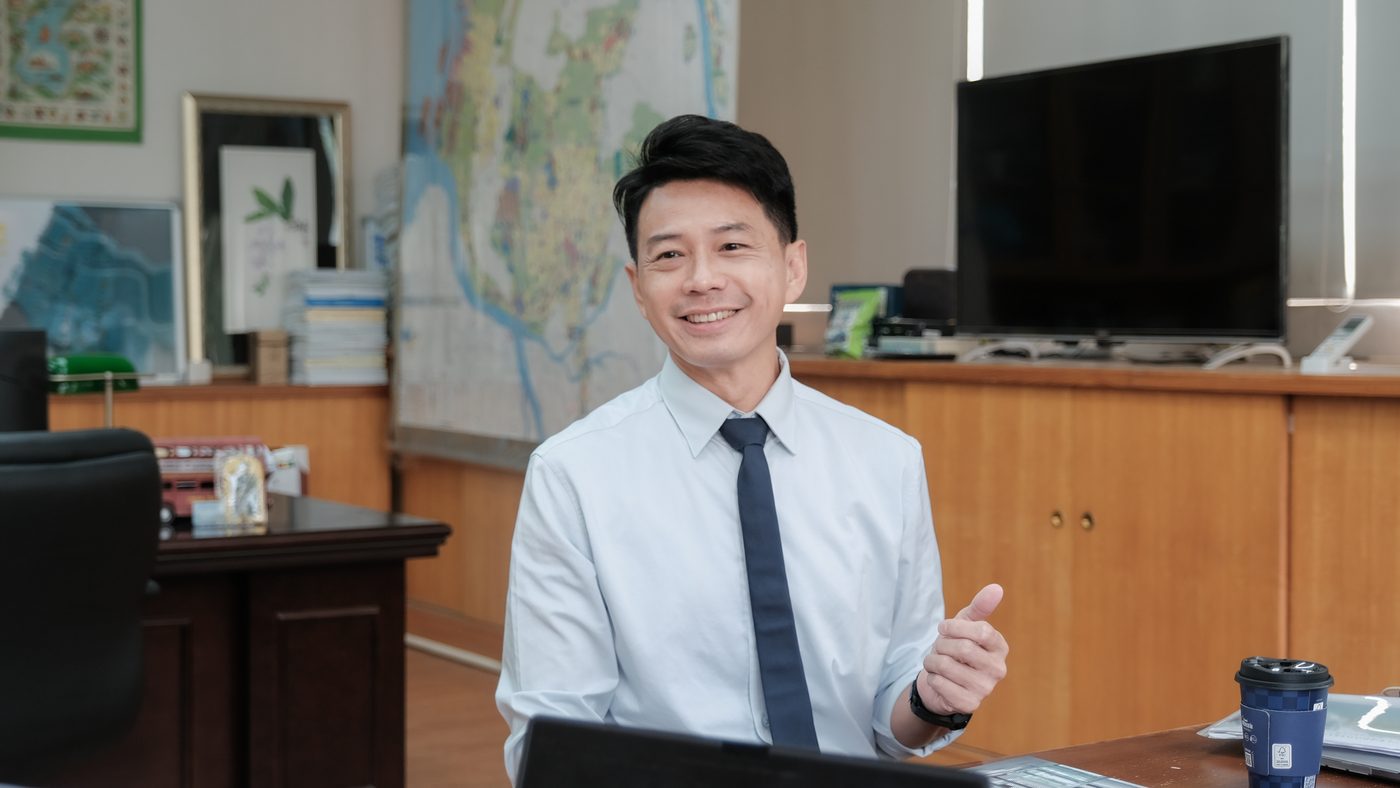
臺中交通局以「交通任意門」為核心理念,逐步把捷運、轉運中心等硬體,串接成貼近民眾需求的軟體服務:豐原、水湳、臺中、烏日四大轉運中心重新定義「山海屯城」的移動邏輯;小黃公車與梨山幸福巴士,讓資源有限的偏鄉也不被落下;水湳經貿園區的自駕巴士示範計畫,把臺中推向全臺自動駕駛應用的前沿。「民眾為什麼需要移動?」回到最核心的叩問,本篇與交通局長葉昭甫深入對話,梳理這座智慧城市,如何一步步落實在市民日常。
從一扇任意門開始的想像:任意門命名的核心信念
任意門一開,目的地就到了,這同時也是民眾在出行時最美好的想像。生活與交通的密切關係,而葉昭甫也舉了一個生活化的例子:學生如果因為公車誤點十分鐘,就可能趕不上學校的第一堂課,甚至得趕快打電話給父母求救。一段十分鐘的誤點,牽動的其實是一整個家庭當天的行程安排。
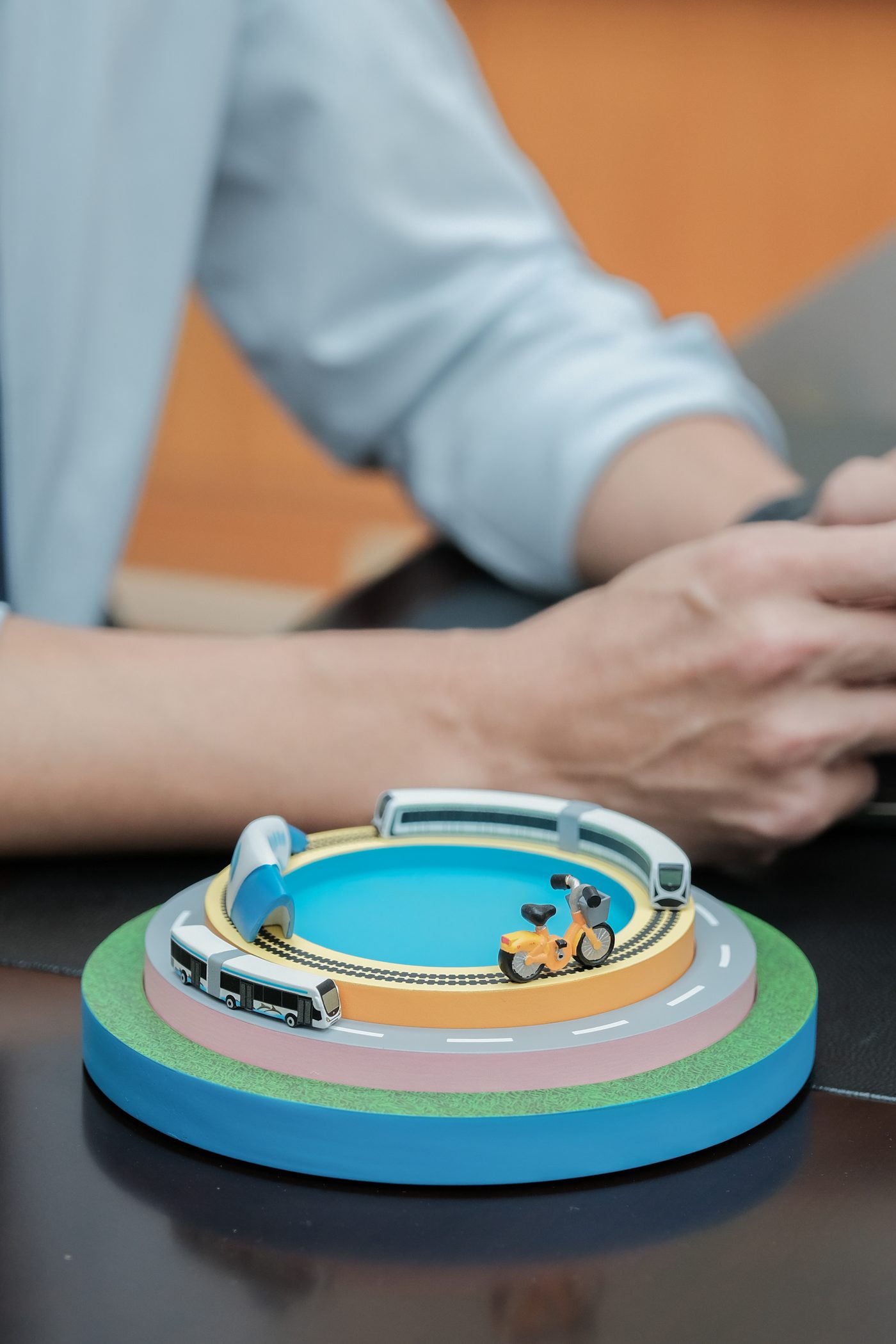
為了促成這樣如任意門般的便利性,臺中市提出大臺中生活圈之交通發展願景「幸福、便利-臺中,我們的家(HOME)」,包含Humanity人本交通、Opportunity發展契機、Mobility好行城市、Ecology生態永續等面向,讓交通成為幸福之門。為落實這個願景,交通局進一步提出「交通任意門(i-Doors)」策略,透過創新(Innovation)、整合(Integration)、智慧(Intelligence)三大理念,把城市每個角落彼此串連,並深化「SWEET」五項核心價值,從安全(Safe)、生活化道路(Woonerf)、效率(Efficient)、生態永續(Ecology)到科技(Technology),讓穩定的公共運輸系統及優化市民在移動與轉乘上的便利體驗,透過綠色運具的借還更直覺、體驗更友善,將「民眾微笑」作為衡量施政成效的指標,實踐「交通任意門」的低碳生活美學。
從硬體到軟體:轉運中心的化繁為簡
有了捷運,問題就解決了嗎?談及大眾運輸建設的想像,葉昭甫不這麼認為。他觀察,多數城市的核心其實不在單一路網夠不夠密,而在於「你怎麼讓這件事情化繁為簡」。以豐原轉運中心為例,過去民眾要轉乘客運得記住哪家公司在哪個車站,如今只要先到轉運中心,就能延伸到各個方向。搭配水湳、台中、以及正在建設的烏日,透過三座轉運中心,交通局把「山、海、屯、城」四種不同區位的需求,收攏進清楚的入口點。
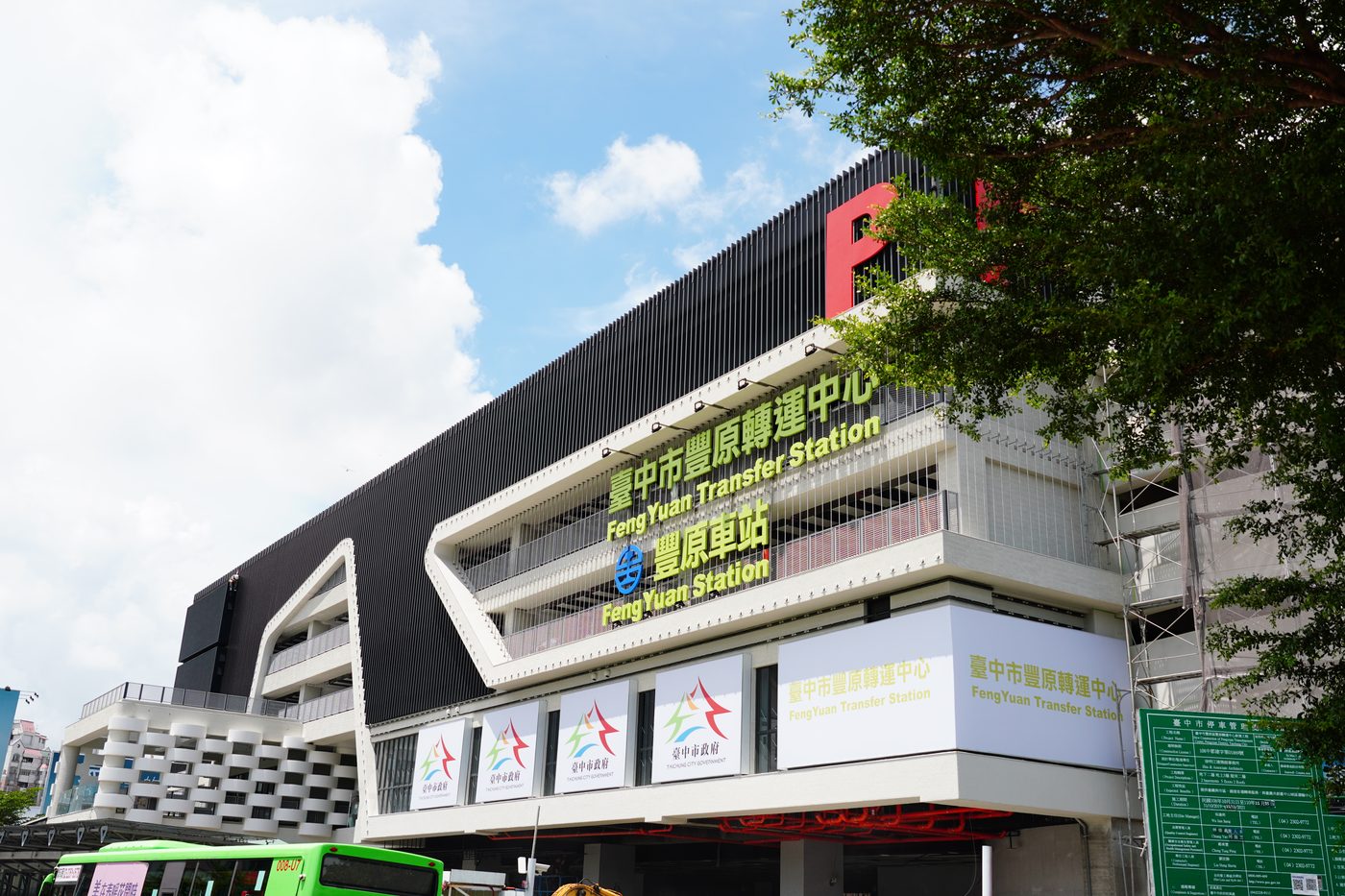
葉昭甫分享到:「民眾在選擇交通時,最重要的是便利性、舒適性。」捷運路網要從單一路線逐步發展為十字路網,再由轉運中心銜接公車、YouBike等多元運具,落實無縫轉乘。而軟體服務的落地,則會體現在市民實際感受得到的細節上,如自2021年起推動的「臺中市民限定交通卡」,讓市民搭乘市區公車享有「十公里內免費、超過十公里最高10元」的雙十優惠,累計已有超過200萬人完成綁定,YouBike則透過「倍增計畫」持續擴大於軌道運輸、大專院校與商圈周邊的設站密度,讓抵達目的地最後一哩路更加輕鬆。
城鄉不掉隊:小黃公車與幸福巴士
偏鄉的公共運輸,考驗的不是技術,而是資源怎麼被重新分配。葉昭甫提到,計程車補位公車路線的「小黃公車」,本質上是一種剩餘資源的再利用,讓偏鄉地區的需求被看到。梨山山區居民自家車,轉型成「幸福巴士」更是一個經典的例子。這個過程並不容易,「在地的問題,就是要在地解決。」葉昭甫說,市府透過與在地社區發展協會合作,確保長久的經營。同時也將成功的案例複製到需要的偏鄉,再根據各地的需求應變,比如原住民部落學生就學的專車,靈巧的根據在地有長照接送的特性安排來回的班次。目前小黃公車已在全市22個行政區開關26條路線,梨山幸福巴士營運滿意度更高達9成3,證明偏鄉交通的解方,往往藏在既有資源的重新整合裡。
走向自駕:水湳,城市的生活實驗場
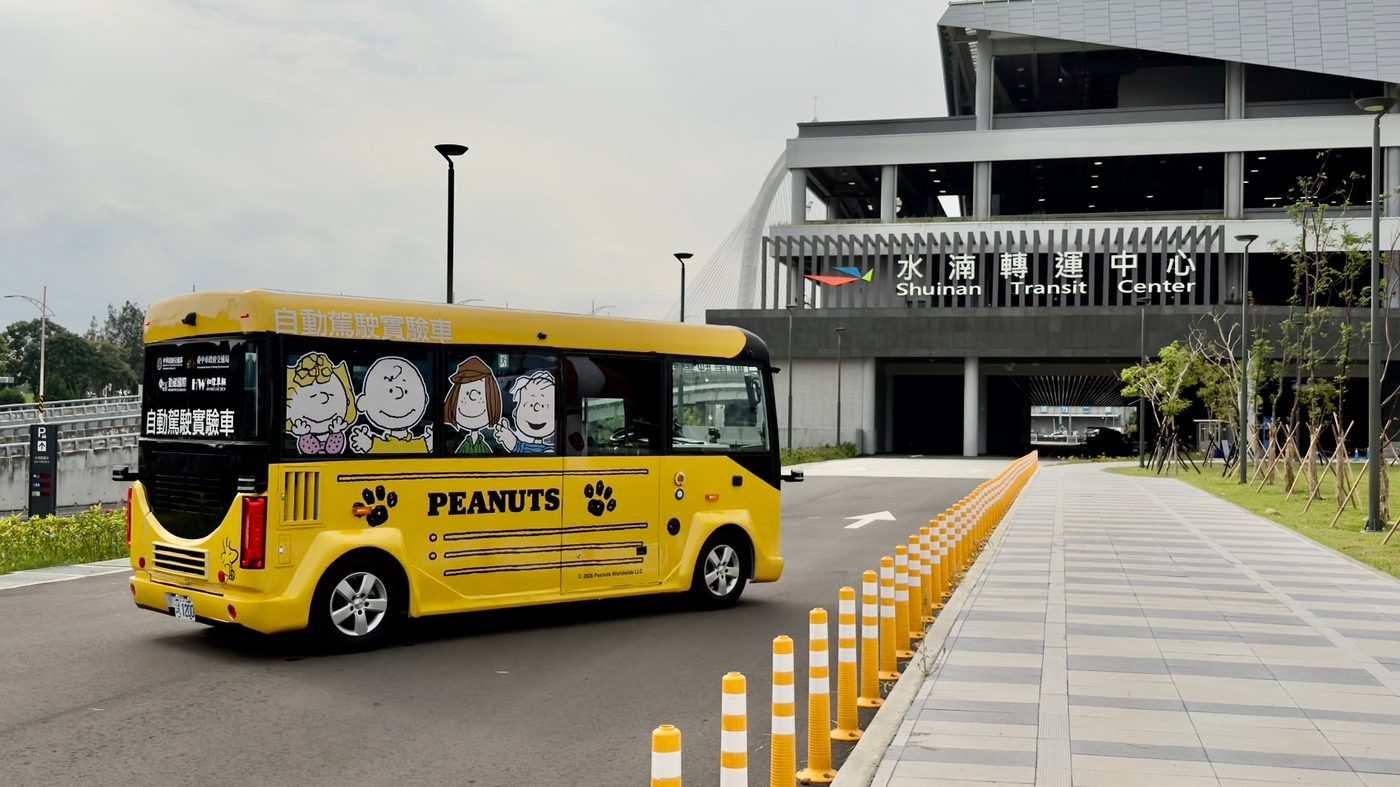
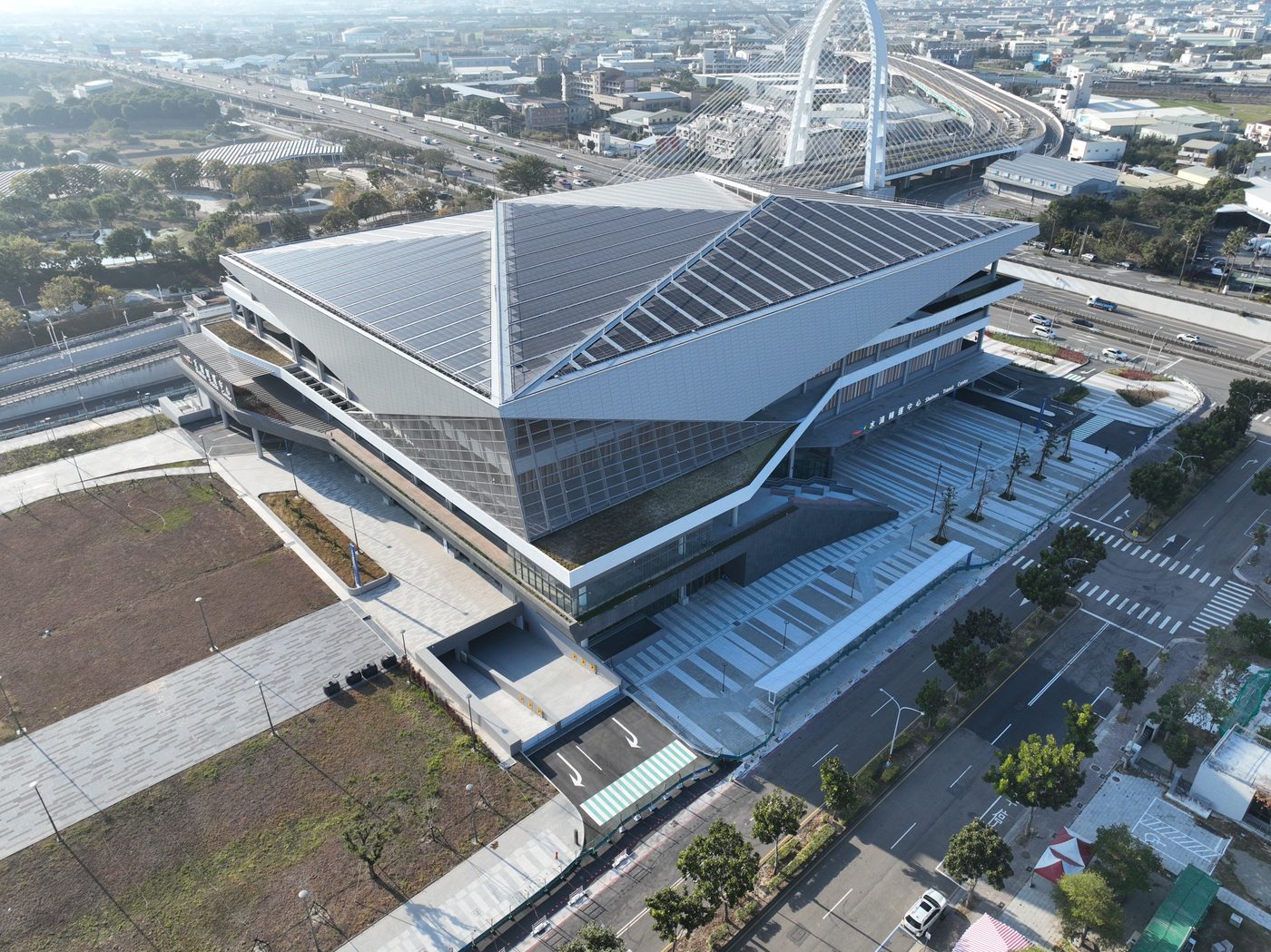
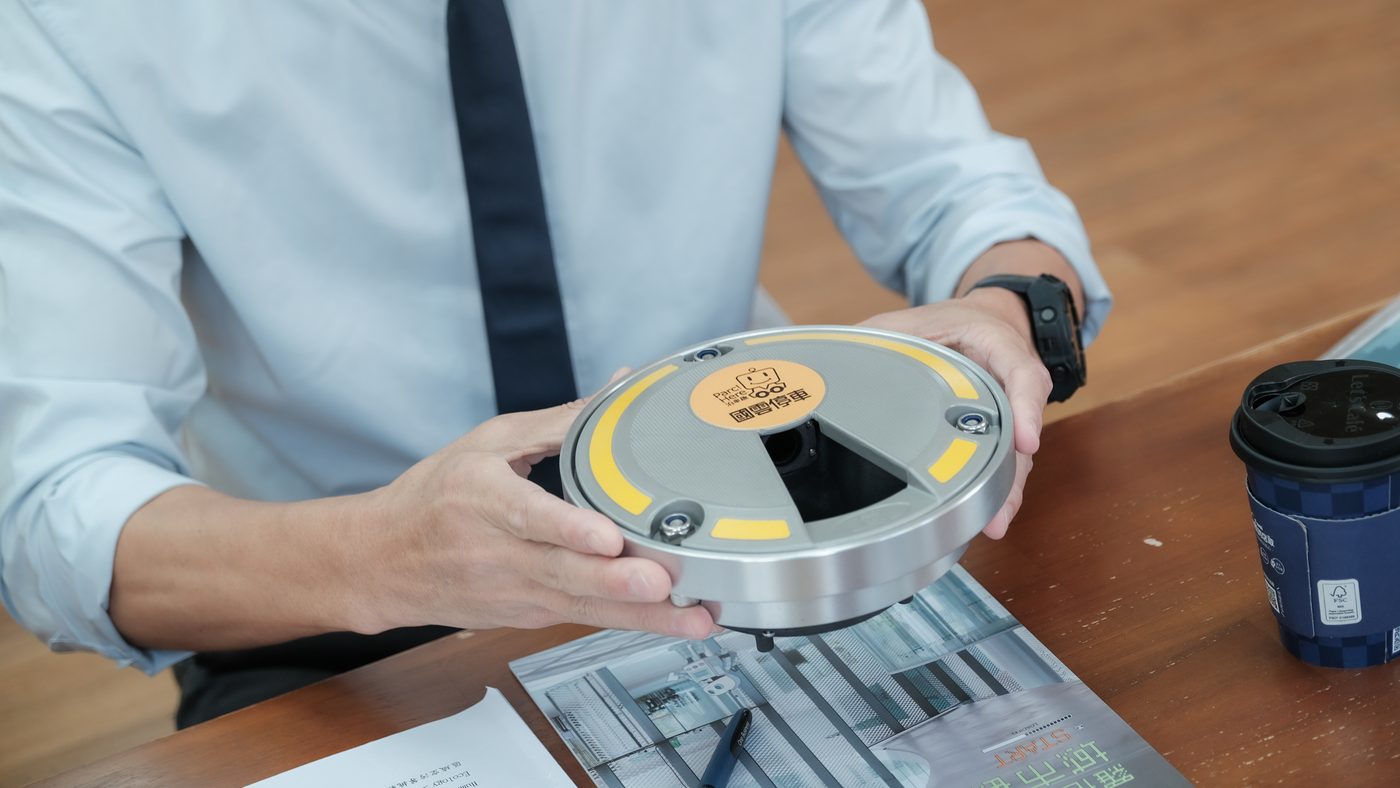
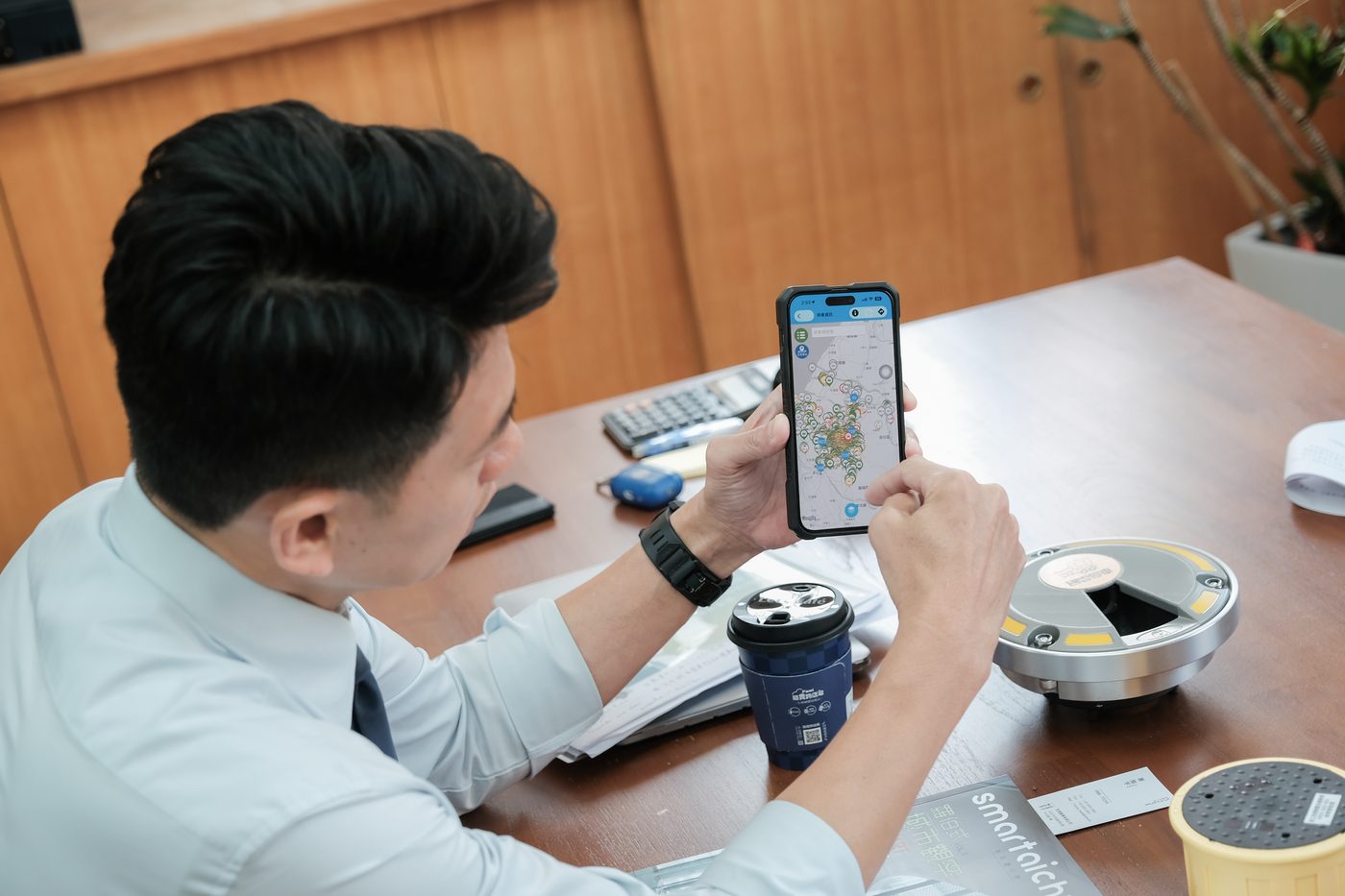
從民國90年臺中率先導入GPS的智慧公車、到近年結合地磁與AI辨識的智慧停車,葉昭甫談科技化的邏輯始終如一:「先把資訊透明化,不要讓民眾跟政府之間有資訊落差。」水湳經貿園區,便是這套邏輯走向自駕巴士的下一步。選擇水湳,除了因為它是開放型場域、位處城市發展核心卻較不會影響到原住宅聚落,更因為多元場域夠豐富,才有機會壓縮驗證的時間。
目前自駕巴士歷經三期測試,兩期載客試乘已累積超過5,000人次,滿意度達9成以上,技術上採「車、路、網、人、雲」整合架構,車端負責自動駕駛與感測,路側布建AI攝影機與通訊設備,雲端則彙整運行資料作為優化依據,避免把所有智慧全部灌在車上而推升成本。115年推動的水湳自駕巴士接駁暨車路聯網驗證測試計畫,更首度將路線延伸至園區外,串聯捷運文華高中站,打造約7.7公里的智慧接駁示範路廊。
安靜的移動,最友善的臺中交通
回望這場對話的起點,其實只是一個簡單的提問:怎麼把人從A點安全、順心地帶到B點。葉昭甫說:「以前我們做了很多硬體,接下來就是要用軟體,把需求跟供給串得更緊密。」未來三到五年,隨著轉運中心與捷運路網逐步完善,「台中Go」也將串起捷運、公車、YouBike乃至未來的自駕接駁車,實現一碼在手、服務全有的無縫體驗。
從轉運中心化繁為簡的思考,到今天水湳園區裡真正上路的自駕巴士,臺中交通局想做到的,或許正是讓「移動」這件事,安靜地消失在市民的日常裡,卻又無所不在地守護著每一段回家的路。
Making City Mobility More Intuitive
Connecting the MRT, buses, autonomous buses, and digital services to build a truly people-centered mobility system——Transportation Bureau Director-General Chao-Fu Yeh
With "i-Doors" as its core idea, the Taichung City Transportation Bureau is gradually integrating infrastructure such as the MRT and transit centers with services designed around people's needs. The four major transit centers in Fengyuan, Shuinan, Taichung, and Wuri are redefining how people move across the mountain, coastal, township, and urban areas. Taxi Bus services and the Lishan Happiness Bus make sure rural areas with limited resources are not left behind. The autonomous bus demonstration project in Shuinan Trade and Economic Park is also pushing Taichung to the forefront of autonomous driving applications in Taiwan. Why do people need to move? Returning to this most basic question, this article speaks in depth with Transportation Bureau Director-General Chao-Fu Yeh to trace how this smart city is taking shape step by step in residents' daily lives.
An idea that begins with an anywhere door: the core belief behind the name
Open the anywhere door, and you are already at your destination. That is also the ideal people hope for when they travel. To show how closely life and transport are connected, Yeh gives a simple everyday example. If a student's bus is ten minutes late, the student may miss the first class of the day and even have to call parents for help. A ten-minute delay can affect an entire family's schedule for the day.
To make travel as convenient as an anywhere door, Taichung City proposed the "Greater Taichung Living Circle" transport development vision, "A Happy and Convenient Taichung, Our Home", or HOME. It covers Humanity, people-centered transport; Opportunity, development opportunities; Mobility, an easy-to-travel city; and Ecology, ecological sustainability, making transport a door to happiness. To realize this vision, the Transportation Bureau further introduced the "i-Doors" strategy. Through the three ideas of Innovation, Integration, and Intelligence, it connects every corner of the city and deepens the five core SWEET values: Safe, Woonerf, Efficient, Ecology, and Technology. The goal is to build a stable public transport system, make travel and transfers more convenient, make borrowing and returning green transport tools more intuitive and user-friendly, and use "people's smiles" as a measure of policy results, bringing the low-carbon lifestyle vision of "i-Doors" into daily life.
From hardware to software: making transit centers simple
Does the MRT solve all problems? When talking about public transport development, Yeh does not think so. He observes that for most cities, the key is not whether one single network is dense enough. The real question is "how do you make something complex simple". Take Fengyuan Transit Center as an example. In the past, people had to remember which bus company was at which station when making transfers. Now, they only need to go to the transit center first, then connect in different directions. Together with Shuinan, Taichung, and Wuri, which is under construction, the Transportation Bureau is using these transit centers to bring the needs of the mountain, coastal, township, and urban areas into clear entry points.
Yeh says, "When people choose how to travel, convenience and comfort matter most". The MRT network needs to grow from a single line into a cross-shaped network, then use transit centers to connect buses, YouBike, and other transport options so seamless transfers can truly happen. Soft services take shape in the small details people notice every day. Since 2021, the "Taichung Resident Exclusive Transportation Card" has allowed residents to enjoy the Double Ten bus fare discount on city buses, with rides free within the first 10 kilometers and capped at NT$10 beyond that. More than 2 million people have linked their cards. YouBike has also continued to add stations through its "Doubling Plan", especially around rail transit stations, colleges and universities, and shopping districts, making the last mile easier.
Leaving no urban or rural area behind: Taxi Bus and Happiness Bus
For public transport in rural areas, the real test is not technology. It is how resources are redistributed. Yeh notes that the "Taxi Bus", which uses taxis to fill gaps in bus routes, is essentially a way to reuse spare resources and make the needs of rural areas visible. The use of local residents' private vehicles in the Lishan mountain area to provide "Happiness Bus" services is an even more notable example. The process has not been easy. "Local problems need local solutions". Yeh says the city government works with local community development associations to ensure long-term operations. At the same time, successful models are copied to rural areas that need them, then adjusted to local needs. For example, shuttle services for Indigenous students are arranged flexibly based on local long-term care transport patterns and round-trip needs. The Taxi Bus now runs 26 routes across 22 districts in the city, while the Lishan Happiness Bus has reached an operating satisfaction rate of 93%. This proves that solutions for rural transport are often found in reorganizing existing resources.
Moving toward autonomous driving: Shuinan as the city's living lab
From Taichung's early introduction of GPS smart buses in 2001 to recent smart parking systems that combine geomagnetic sensing with AI recognition, Yeh's logic for technology has stayed the same: "First make information transparent, so there is no information gap between the public and the government". Shuinan Economic and Trade Park is the next step in applying this logic to autonomous buses. Shuinan was chosen not only because it is an open site at the core of urban development that causes less impact on existing residential communities, but also because its diverse settings make it possible to shorten the time needed for testing and verification.
So far, the autonomous bus has gone through three phases of testing. Two passenger trial phases have recorded more than 5,000 rides, with satisfaction above 90%. Technically, the project uses an integrated "vehicle, road, network, people, and cloud" framework. The vehicle handles autonomous driving and sensing. Roadside equipment includes AI cameras and communication devices. The cloud gathers operating data for optimization, avoiding the higher cost of putting all intelligence into the vehicle itself. The Shuinan autonomous bus shuttle and vehicle-to-infrastructure connected verification test project, promoted in 2026, will for the first time extend the route beyond the park to connect with Wenhua Senior High School Station on the Taichung MRT, creating a smart shuttle demonstration corridor of about 7.7 kilometers.
Quiet mobility, Taichung's friendliest transport
Looking back at the starting point of this conversation, it really began with one simple question: how do we get people safely and smoothly from point A to point B? Yeh says, "In the past, we built a lot of hardware. Next, we need to use software to connect demand and supply more closely". Over the next three to five years, as transit centers and the MRT network continue to improve, Taichung Go will also connect the MRT, buses, YouBike, and future autonomous shuttles, creating a seamless experience where one code gives access to all services.
From the idea of using transit centers to make travel simpler to the autonomous buses now running in Shuinan, what the Taichung City Transportation Bureau may be trying to do is make "mobility" quietly disappear into everyday life, while still being everywhere, watching over every journey home.
文章參考ChatGPT翻譯|Translation assisted by ChatGPT.