用科技守護每一顆好奇心
教育局長蔣偉民以「好玩、好奇、好學」推動STEAM教育,從科技中心到AI素養,守護孩子的好奇心。
教育局長蔣偉民相信科學與科技從「好玩」開始,好玩催生好奇,好奇驅動好學。臺中在山、海、屯、中均衡布建8座自造教育及科技中心,並設立示範學校、攜手中科、大雅廚具與臺中科大以公私協力推動STEAM教育;「翔谷號」行動學習車載著3D列印、AR、VR設備開進偏鄉,114學年度預計巡迴逾45場次、讓近千名學童親手體驗科技。面對生成式AI,教育局將AI判讀與媒體識讀融入跨領域課程,強調「先思考、再協作、後查核」,並推動教師AI增能研習與科技倫理教育。教育局也建置RAG檢索增強生成系統與在地知識庫,以本地端架構保護隱私、降低AI幻覺,預計115年10月完成建置,陪孩子帶著勇氣探索屬於自己的路。
近年來,「STEAM教育」在校園裡愈來愈常被提起,它是科學(Science)、科技(Technology)、工程(Engineering)、藝術(Art)與數學(Mathematics)五個領域的縮寫,主張打破學科之間的界線,讓孩子在動手實作、跨領域整合的過程中學習。
從一場遊戲開始,孩子在拼裝機器人、設計關卡、或和同伴討論怎麼讓珠子滾得更快的過程,可能就不知不覺就走進了力學、程式與邏輯的世界。相較於傳統偏重背誦與單一學科的教學方式,STEAM重視「做中學」與「解決真實問題」的能力,也被視為銜接未來人才需求的重要教育取向。
臺中市教育局多年來以此為根基,結合科技、數位的力量,逐步在校園扎根,壯大孩子們內心那位名為好奇心的老師。
「三好」哲學:好玩、好奇、好學
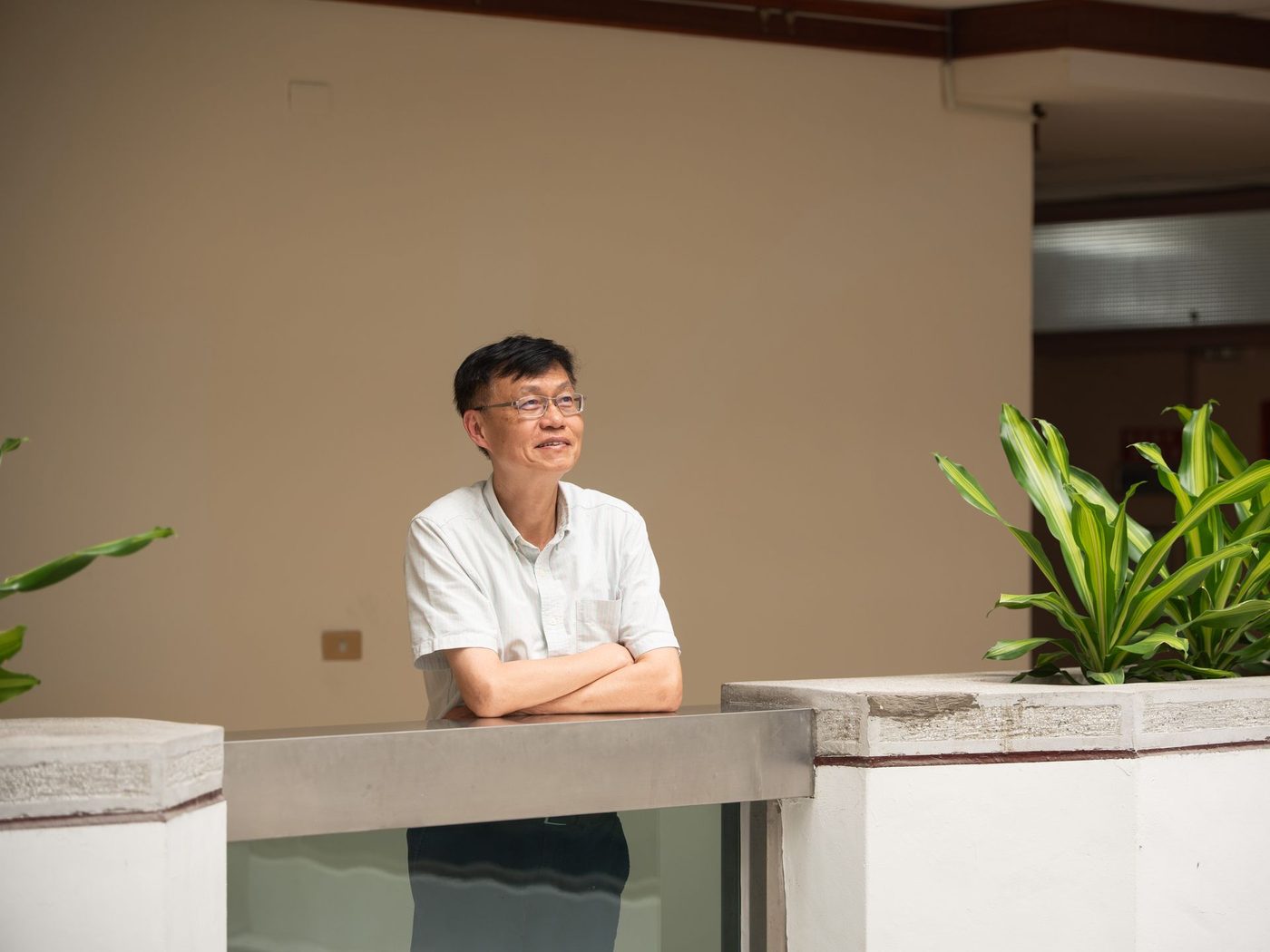
「我始終認為,科學或科技,是從小朋友的『好玩』開始。」臺中市政府教育局長蔣偉民這麼說。好玩會催生好奇心,好奇心則會驅動孩子主動去理解背後的原理,進而走向好學──這是他觀察多年教育現場後歸納出的三個階段。許多孩子為了打電動、玩遊戲,會自願去學習日文或英文,只為了更貼近自己真正想做的事。一旦孩子清楚知道自己「想要什麼」,學習便從被動、逼迫的功課,轉化為一場主動的探索。
秉持這個信念,臺中市教育局在富春國小、大甲國中、立新國中、北新國中、潭秀國中、沙鹿國中、成功國中及西苑高中,成立了八座自造教育及科技中心,在山、海、屯、中各區均衡布建,這些中心的核心任務,除了培訓教師相關研習,也讓教師回校後能設計社團活動與競賽,用「動手做」與「解決問題」的過程,把孩子的好奇心轉化成真正的能力。
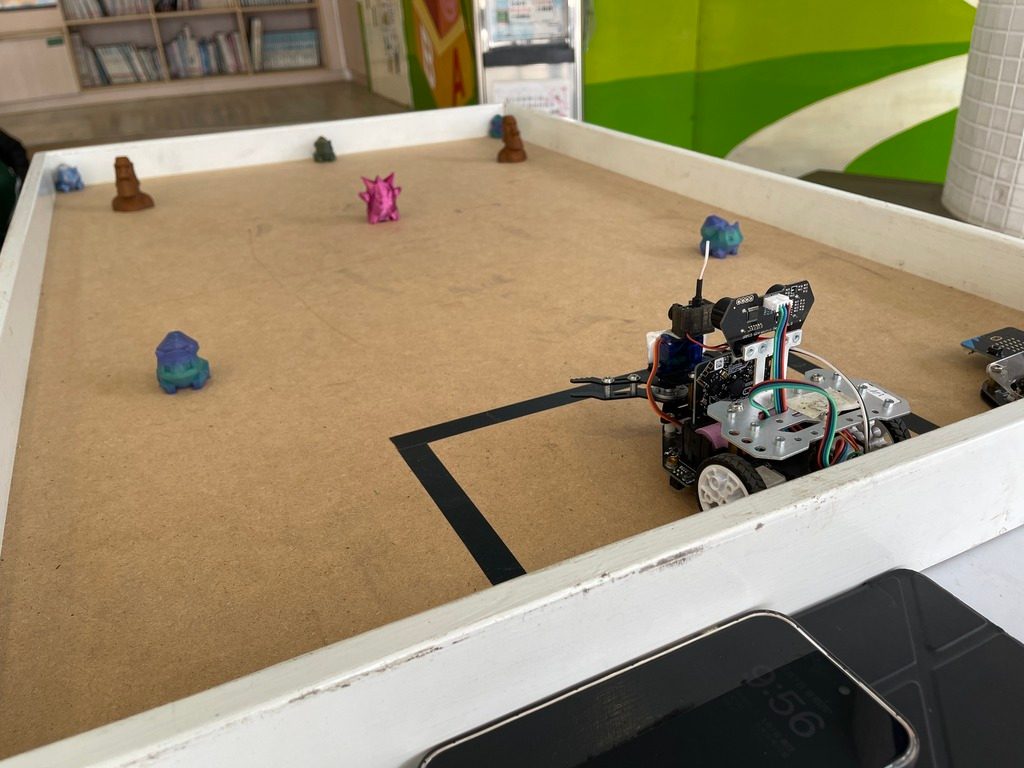
談起印象最深刻的教學現場,蔣偉民想起富春國小科技中心裡的仿生鳥模型──會振翅、會發出聲響的玩具,「連我這個年紀都覺得很好奇,何況是小朋友。」而在忠明國小附設的幼兒園裡,孩子們則利用積木牆設計軌道結構,思考如何讓珠子更快、更順地滾落,「表面上他們只是在解決一個好玩的問題,但無形中,力學和結構的原理,早就悄悄融入他們的思考裡了。」
打破城鄉界線,推進每個孩子潛能
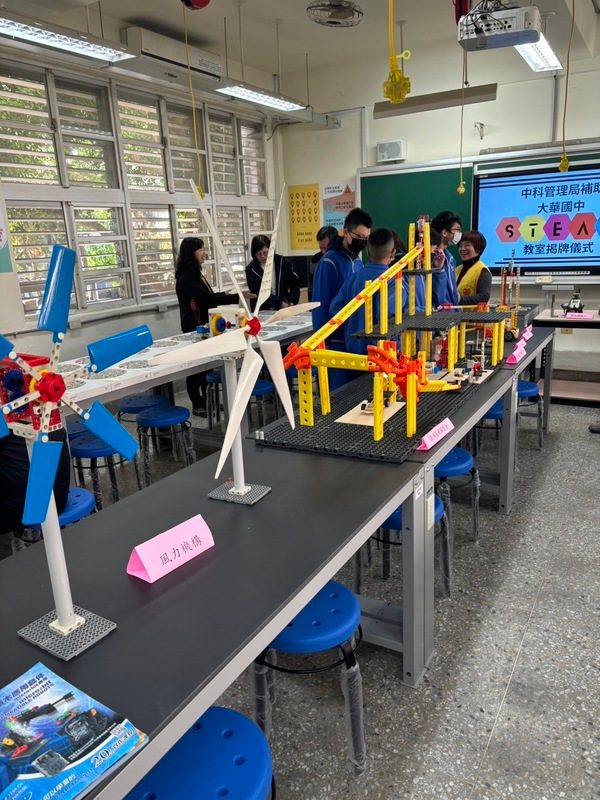
教育的本質是平權。除了八座官方科技中心,臺中也在大墩國中、大華國中、大雅國中、翁子國小及忠明國小附幼設立示範學校,並攜手中科、大雅廚具與臺中科大等民間單位,以公私協力的方式共同推動STEAM教育。
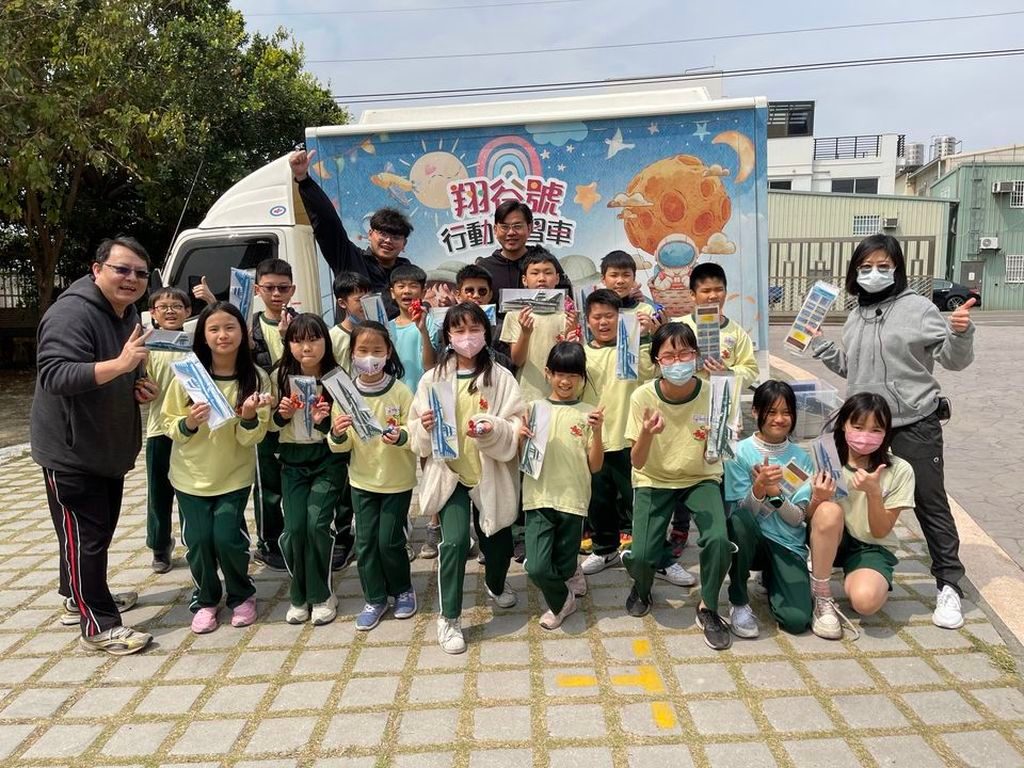
為了讓資源不因地理位置而卻步,教育局與大甲科技中心合作,打造「翔谷號」行動學習車,車上載滿STEAM教材、數位學習遊戲,以及3D列印、AR、VR等新興科技設備,主動開進偏鄉學校,帶去力學、電控與美感、化學等跨領域課程。114學年度,這輛巡迴列車預計開進本市國中小達45場次以上,讓近千名偏鄉學子也能親手體驗科技的魅力。蔣偉民也不時在局務會議中提醒同仁,設備必須定期更新,「不能讓幾年前補助的東西一直放到現在都沒有換過。」持續構築知識對孩子的吸引力。
課本之外,需要鍛練的新技能
科技進步,每一天都有不同的資訊在社會中流竄,加上生成式AI崛起,「AI判讀」與「媒體識讀」已經成為生活中重要的課題,對於尚在吸收不同知識、學說的學子們來說更是如此,於是臺中教育局將其轉化為跨領域的素養課程。
比方說,在國語文與社會課程裡,老師會引導學生辨識生成式AI可能出現的「幻覺」與各式假訊息;在科技課程中,則讓孩子親身體驗深偽(Deepfake)技術,從實作中理解「眼見不一定為真」。蔣偉民提及,曾看過一篇文章,學者分享親身經歷:對方請AI介紹自己,結果連畢業校系、任職單位都被AI「一本正經地」寫錯,「一般人根本無從判別,如果沒有先查證的習慣,很容易就信以為真。」這也是他反覆強調「先思考、再協作、後查核」的原因,AI可以是共學夥伴,但論點建構與事實查核,終究要回到自己的大腦。
為了讓這套原則真正落地,教育局同步從教師端補強,推動「AI輔助教學增能研習」,透過地方輔導團設計各領域的實務工作坊,訓練重點不只停留在工具操作,更聚焦於「提示詞工程」(Prompt Engineering)的設計思維,讓老師能在課堂上帶著學生對AI進行有深度的提問與批判。蔣偉民也坦言,曾經有學生利用AI不當合成同學影像的案例,因此,科技教育同時必須劃出清楚的倫理界線,提醒師生「AI能做什麼」與「不能做什麼」,往往比工具本身的操作更值得重視,也是校園內倫理教育不可迴避的一課。
名為RAG系統的在地化安全防線
面對「資源分散、使用門檻高、缺乏在地化內容」三大痛點,臺中市教育局以「RAG(檢索增強生成)系統」與「專屬知識庫」出擊。
這套系統讓AI在回答問題前,先「翻閱」在地化的檔案,而不是單靠模型內部記憶硬背資訊,能有效降低「一本正經胡說八道」的幻覺風險,資料也不必透過重新訓練模型才能更新,只要把最新的教學計畫、PDF或法規放入知識庫,AI就能立刻掌握最新脈絡。
同時,導入地方特色課程、課程計畫與輔導團教材教法等在地資料,讓AI給出的答案,真正貼近臺中的教學現場與學生需求。而「本地端」的隱私架構,可以使資料不外流到外部雲端,所有檢索與運算都在自家伺服器內完成。整合教育部因材網AI、酷英網AI及市購AI工具時,也會清楚標示適用年齡與數據隱私等級,方便家庭與學校篩選出安全無虞的數位學習工具。系統預計於今年10月完成建置,未來將優先提供給教師使用,再慢慢近一步,建立起在地化、眾人可共享的教學知識庫。
給好奇心最好的禮物
談起智慧校園的下一步,蔣偉民認為目前的成果只是起點,未來不只是教學智慧化,企圖行政管理、用電用水等校園日常,都能夠逐步導入數位分析。
回顧自己推動科技教育的初衷,蔣偉民說,孩子最珍貴的地方,就在於還沒被既定答案「污染」,任何事情都能從好奇出發。面對「望子成龍、望女成鳳」的傳統期待,成績並非唯一的評量標準,「考九十分跟一百分,長遠來看其實沒有太大差別。」反而是那些在課業之外被允許嘗試的興趣,往往才是孩子未來發展的底蘊。
「唯有嘗試錯誤,才會有真正的學習。」在他眼中,教育局沒有辦法替孩子鋪好一條沒有失敗的路,但他們渴望與孩子站在同一戰線,將那些曾經束縛住好奇心的框架,一點一點地鬆開,讓下一代能帶著更厚的臉皮、更勇敢的心,去挑戰、去探索,走出屬於自己的路。
Using Technology to Protect Every Curious Mind
How children can explore the world through hands-on learning and independent thinking — Education Bureau Director-General Chiang Wei-Min
In recent years, "STEAM education" has been mentioned more and more often in schools. It stands for Science, Technology, Engineering, Art, and Mathematics. The idea is to break down the walls between subjects and let children learn through hands-on practice and cross-field integration.
It can begin with a game. When children build robots, design challenges, or discuss with classmates how to make a marble roll faster, they may quietly step into the world of mechanics, programming, and logic without even realizing it. Compared with traditional teaching, which often focuses on memorization and single subjects, STEAM values "learning by doing" and the ability to solve real problems. It is also seen as an important approach to preparing talent for the future.
The Education Bureau of Taichung City Government has built on this foundation for years, integrating technology and digital tools into schools and nurturing the teacher within every child — their curiosity.
The "Three H" philosophy: have fun, have curiosity, and have a love of learning
"I have always believed that science and technology begin with what children find fun". Education Bureau Director-General Chiang Wei-Min says. Fun sparks curiosity. Curiosity drives children to understand the principles behind things, and that leads to a love of learning. These are the three stages he has identified after years of observing classrooms. Many children willingly learn Japanese or English because they want to play video games and understand them better. They learn because it brings them closer to what they truly want to do. Once children know clearly what they "want", learning stops being forced homework and becomes active exploration.
With this belief, the Education Bureau has set up eight Maker Education and Technology Centers at Fuchun Elementary School, Dajia Junior High School, Lixin Junior High School, Beixin Junior High School, Tanxiu Junior High School, Shalu Junior High School, Chenggong Junior High School, and Xiyuan Senior High School. These centers are evenly placed across the mountain, coastal, township, and central areas of Taichung. Their core mission is not only to train teachers, but also to help teachers design club activities and competitions after returning to their schools, turning children's curiosity into real ability through hands-on work and problem solving.
When asked about the classroom scene that impressed him most, Chiang thinks of the bionic bird model at the Fuchun Elementary School Technology Center. It is a toy that flaps its wings and makes sounds. "Even someone my age finds it fascinating, let alone children". At the kindergarten affiliated with Zhongming Elementary School, children use a block wall to design track structures and think about how to make marbles roll down faster and more smoothly. "On the surface, they are just solving a fun problem. But without even noticing it, the principles of mechanics and structure have already become part of their thinking".
Breaking urban and rural boundaries and unlocking every child's potential
The essence of education is equal opportunity. In addition to the eight official technology centers, Taichung has also set up demonstration schools at Dadun Junior High School, Dahua Junior High School, Daya Junior High School, Wengzi Elementary School, and the kindergarten affiliated with Zhongming Elementary School. The city also works with private and community partners, including Central Taiwan Science Park, Daya Kitchenware, and National Taichung University of Science and Technology, to promote STEAM education through public-private collaboration.
To make sure resources are not limited by location, the Education Bureau worked with the Dajia Technology Center to create the "Xianggu" mobile learning vehicle. Filled with STEAM teaching materials, digital learning games, and emerging technology equipment such as 3D printing, AR, and VR, the vehicle travels directly to rural schools and brings cross-field courses in mechanics, electronic control and aesthetics, chemistry, and more. In the 2025 academic year, this mobile learning vehicle is expected to visit elementary and junior high schools in the city more than 45 times, allowing nearly 1,000 students in rural areas to experience the appeal of technology firsthand. Chiang also often reminds colleagues in bureau meetings that equipment must be updated regularly. "We cannot let equipment funded years ago sit there until now without being replaced". The goal is to keep making knowledge attractive to children.
New skills children need beyond textbooks
As technology advances, different kinds of information flow through society every day. With the rise of generative AI, "AI interpretation" and "media literacy" have become important life skills, especially for students who are still absorbing different kinds of knowledge and ideas. That is why the Taichung Education Bureau has turned them into cross-field literacy courses.
For example, in Mandarin and social studies classes, teachers guide students to identify possible "hallucinations" from generative AI and all kinds of misinformation. In technology classes, students experience deepfake technology firsthand and learn through practice that "seeing is not always believing". Chiang mentions an article he once read in which a scholar shared a personal experience. Someone asked AI to introduce the scholar, but the AI "confidently" got even the scholar's school, department, and workplace wrong. "Most people would have no way to tell. Without the habit of checking first, it is easy to believe it is true". That is why he repeatedly stresses "think first, collaborate next, and verify after". AI can be a learning partner, but building arguments and checking facts must still come back to our own minds.
To put this principle into practice, the Education Bureau is also strengthening teacher training by promoting "AI-assisted teaching empowerment workshops". Local advisory groups design practical workshops for different subject areas. The training does not stop at tool operation. It focuses more on the design thinking behind prompt engineering, so teachers can guide students to ask AI deeper questions and think critically about its answers. Chiang also notes frankly that there have been cases of students using AI to improperly synthesize images of classmates. For this reason, technology education must also draw clear ethical lines. Reminding teachers and students what "AI can do" and what it "must not do" is often more important than learning how to use the tool itself. It is also an unavoidable lesson in campus ethics.
A local safety line called the RAG system
To address three major pain points — scattered resources, high barriers to use, and a lack of local content — the Education Bureau has introduced a RAG (Retrieval-Augmented Generation) system, together with a dedicated knowledge base.
Before AI answers a question, this system first lets it "look through" local files instead of relying only on information memorized inside the model. This can effectively lower the risk of confident but false hallucinations. The data also does not need a full model retraining to be updated. Once the latest teaching plans, PDFs, or regulations are added to the knowledge base, AI can immediately understand the newest context.
At the same time, the system brings in local data such as local feature courses, curriculum plans, and teaching materials and methods from advisory groups, so the answers AI gives can truly fit Taichung's classrooms and students' needs. Its local privacy architecture keeps data from flowing to external clouds. AI retrieval and computing are completed on the city's own servers. When integrating AI tools from the Ministry of Education's Adaptive Learning Platform, Cool English, and city-purchased AI tools, the system will clearly label suitable age groups and data privacy levels, making it easier for families and schools to choose safe digital learning tools. The system is expected to be completed this October. It will first be made available to teachers, then gradually move forward to build a localized teaching knowledge base that can be shared by many users.
The best gift for curiosity
Speaking about the next step for smart campuses, Chiang says the current results are only the beginning. In the future, smart schools will not only make teaching smarter. Digital analysis can also be gradually introduced into everyday campus operations such as administration, electricity use, and water use.
Looking back on why he began promoting technology education, Chiang says the most precious thing about children is that they have not yet been "polluted" by fixed answers. They can begin anything with curiosity. In the face of traditional expectations that children must become highly successful, grades should not be the only standard. "In the long run, there really is not much difference between scoring 90 and scoring 100". Instead, the interests children are allowed to try outside schoolwork often become the foundation for their future development.
"Only through trial and error can real learning happen". In his view, the Education Bureau cannot lay out a road with no failure for children. But it hopes to stand on the same side as them, slowly loosening the frames that once held back curiosity, so the next generation can be less afraid of embarrassment, more courageous, and ready to challenge, explore, and find their own path.
文章參考ChatGPT翻譯|Translation assisted by ChatGPT.