一座城市,把「智慧」融入日常的細節
談「以人為本」的韌性治理藍圖
臺中副市長鄭照新指出,智慧城市高度不在技術領先,而在讓市民感到安心。深厚的精密機械產業鏈構成AI機器人落地的最佳土壤;治理上,數位與淨零雙軸並進——5G智慧救護路網使救援路口綠燈機率達72%,《台中通》串接2600項市政服務。
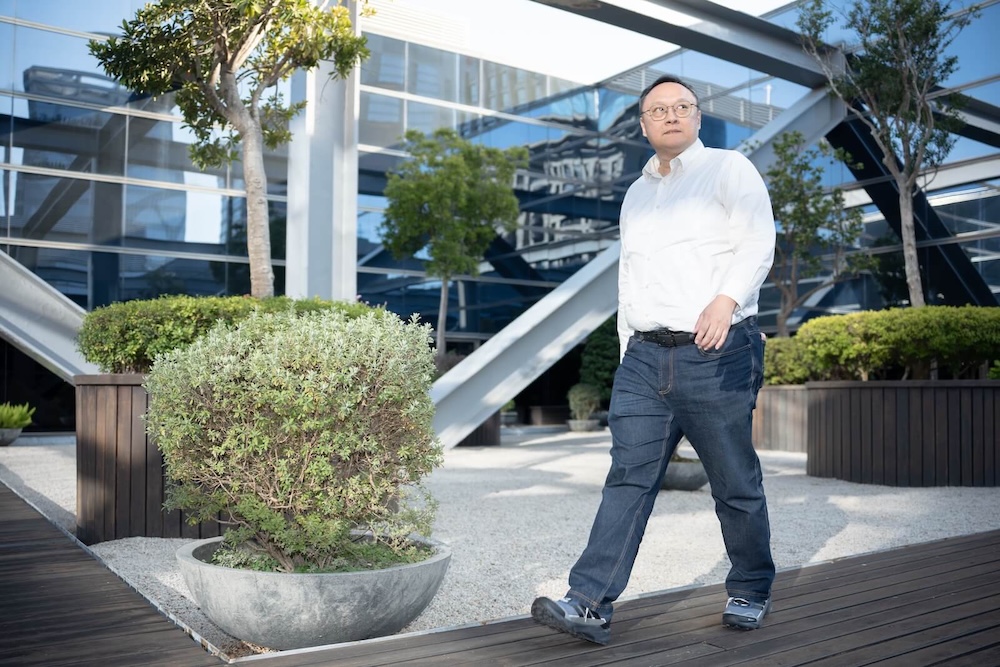
在臺灣中部的核心,臺中正經歷一場前所未有的「數位與淨零」雙軸轉型。這裡曾是以製造業聞名的「黃金縱谷」,如今,透過AI與大數據的賦能,這座城市正將硬核的工業實力轉化為溫暖的隱形守護。
「智慧城市的高度,不在於技術領先多少,是在於它能讓多少人感到安心。」臺中副市長鄭照新談智慧城市,並不急著列舉科技名詞,從臺中的產業底盤談起,梳理市府如何把AI放進「可落地的產業鏈」,再延伸到治理、回到生活。
城市的厚度:全球不可替代的「AI機器人產業鏈」
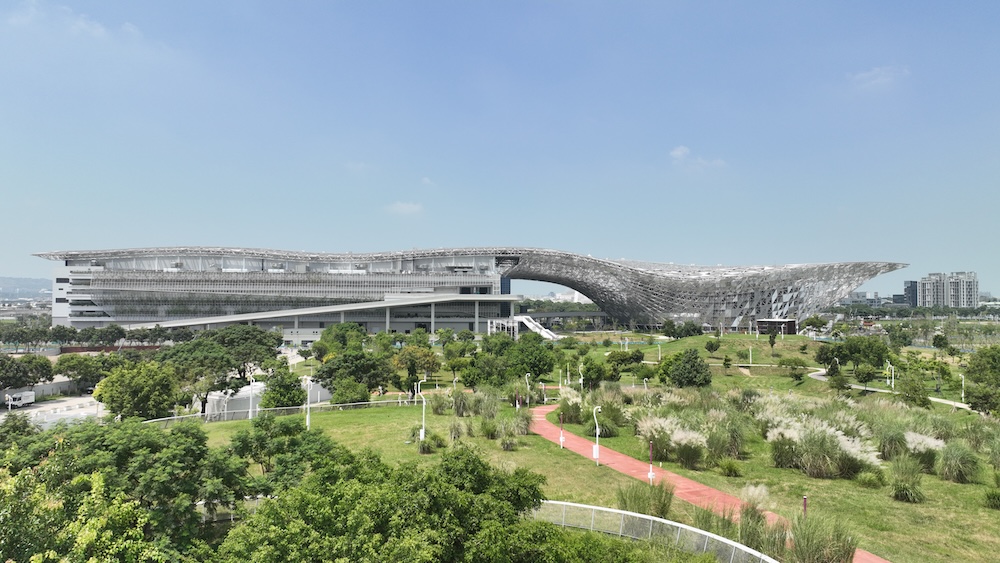
臺中的智慧轉型並非空中樓閣,而是建立在極其深厚的產業底蘊之上。這裡長期深耕精密機械、工具機與關鍵零組件,被視為全球密度極高的精密機械聚落,上下游鏈結完整,從感測器、傳動元件供應,到工具機、自動化設備、機械手臂製造,再到系統整合與智慧製造服務,形成一個足以支撐AI機器人產業鏈的土壤。
也因此,當全球供應鏈重組、關稅與市場波動成為常態,臺中的解題方式不單純把AI當作軟體工具,而是想辦法讓AI直接進到硬體與產線,變成「賦能製造」的能力。鄭照新提到的「前店後廠」模式,正是把城市能量重新編排:一端是展會與國際交流,另一端是產業鏈與製造實力,希望技術展示不止於展示,能即時媒合、試作、商轉。隨著臺中國際會展中心啟用,市府也透過展會平台串聯技術展示與合作機會,打造智慧製造與機器人應用走向市場的舞台。
但要使頂尖AI團隊願意落地,場域與人才同樣是關鍵,鄭照新指出,市府採取的方法務實:透過制度補助縮短企業導入的知識落差,並以訓練把AI變成每天都用得到的技能。例如「臺中市地方產業創新研發推動計畫」補助企業AI創新應用;「企業 AI應用學院」等培訓近三年累計6,825人次參訓,讓AI不再停留在口號,能夠真正走進流程管理、數據分析與決策習慣。
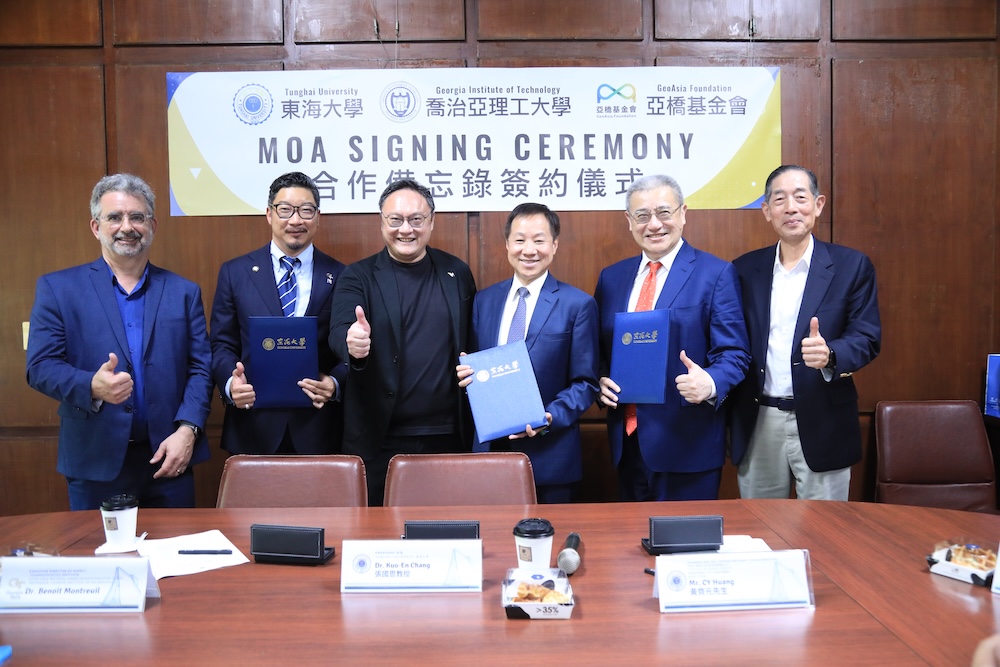
於是,臺中談產業升級時,不只是在追一個AI潮流,而是要把城市原本的製造厚度,轉化成下一階段的競爭力,一整座城市可以把技術做成產品、再把產品推向市場的整合能力。
治理的脈絡:數位與淨零雙軸轉型的韌性工程
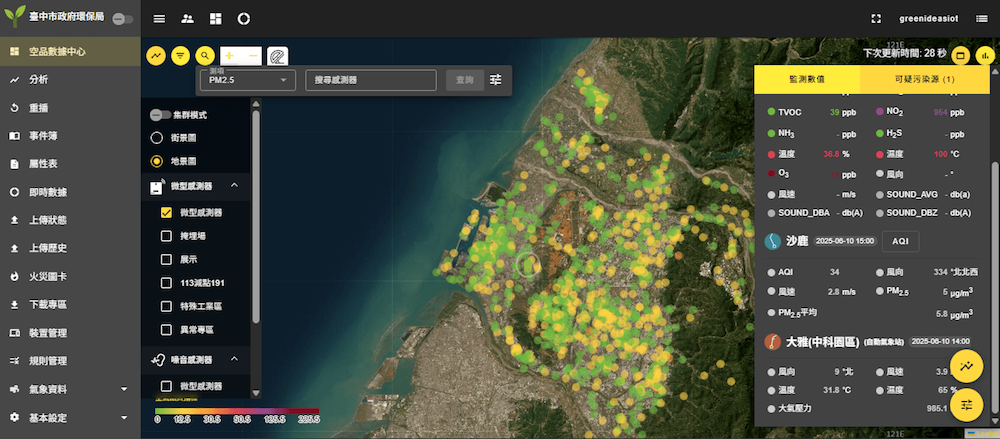
如果說產業是城市的骨架,治理就是城市的神經系統。鄭照新把「數位」與「淨零」視為兩大治理引擎,提出「雙軸轉型」,前者提升效率與精準,後者確保城市在氣候風險下仍能穩健運作,並透過《台中市永續淨零自治條例》把淨零目標制度化,明確訂定2030減碳30%、2050達成淨零。
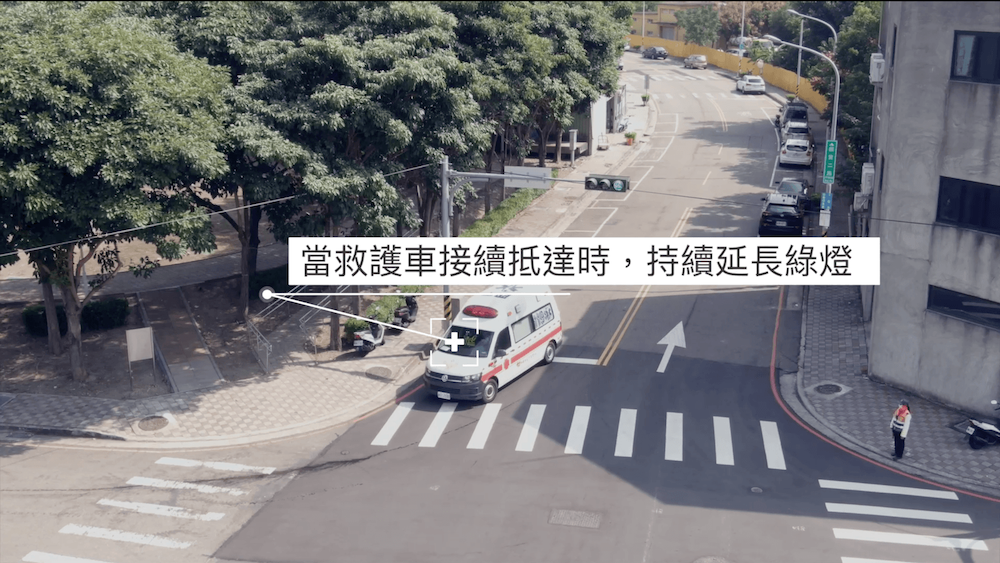
韌性不是抽象名詞,臺中把它拆成「預警、調度、應變、復原」四個環節,用數位工具補足治理缺口。空品治理是最直觀的例子:當監測更密、更即時,治理就能從「事後處理」轉為「預測預防」。臺中在重要路口建置「號誌不斷電系統」達187處,避免電力異常造成交通癱瘓;5G智慧救護路網把路口綠燈機率提升至72%,每趟任務平均省下13~40秒,把資源更精準地投入救命動線。
而在永續成效上,臺中也努力讓「科技投入」轉換成可量化、可追蹤的成果。例如水利局導入黑水虻生物技術處理污泥,成功減量約四成,並通過 ISO 14067碳足跡第三方查證;建設局推動路燈節能專案,汰換鈉光燈為 LED,並註冊為自願減量專案,預估 10 年可取得近 3,000 噸碳權,未來搭配智能路燈升級,目標累計爭取達 2 萬噸碳權。
智慧治理真正改變的,是資源配置的邏輯——從平均分配走向精準投入。數據驅動決策,將無形的耗能轉化為有形的資產,城市在面對極端氣候時展現更高的穩定性與持續優化的服務品質。
願景的高度:幸福宜居智慧城,科技成為隱形守護
鄭照新表示:「我們追求的智慧城市,不是讓市民去適應複雜的技術,而是讓科技化為一種隱形的守護。」科技,應該是各種年齡、族群、居住地的人,在日常裡用得上、用得懂的存在。
首先,為了跨越數位落差,臺中從基礎建設、服務整合到精準照顧三個層次同步推進。城市幅員遼闊、人口已突破286萬,若只靠單點服務,很容易將資源集中在少數區域,因此臺中布建1,195個「iTaichung」免費無線網路熱點,並提供六國語言介面,降低新住民與外籍人士使用門檻。
接著是把分散的流程整合為「單一入口」。臺中成立數位發展局,就是為了把各局處的服務串起來,形成市民好用的路徑。以《台中通》為例,單一入口可串接2,600多項市政服務,通勤、育兒、就醫、洽公等需求,不必在不同系統之間反覆跳轉。
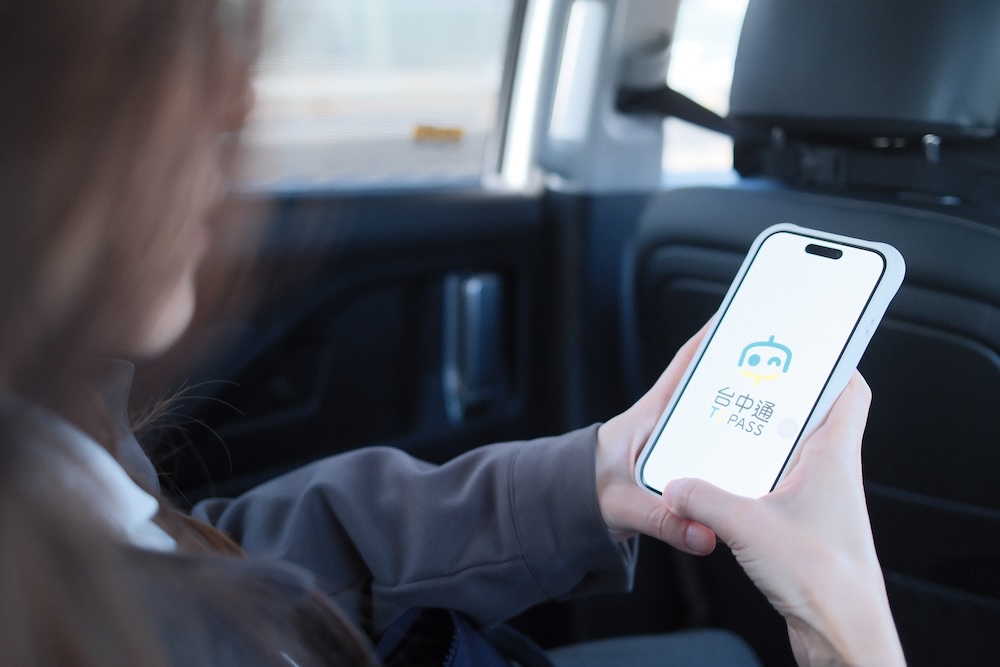
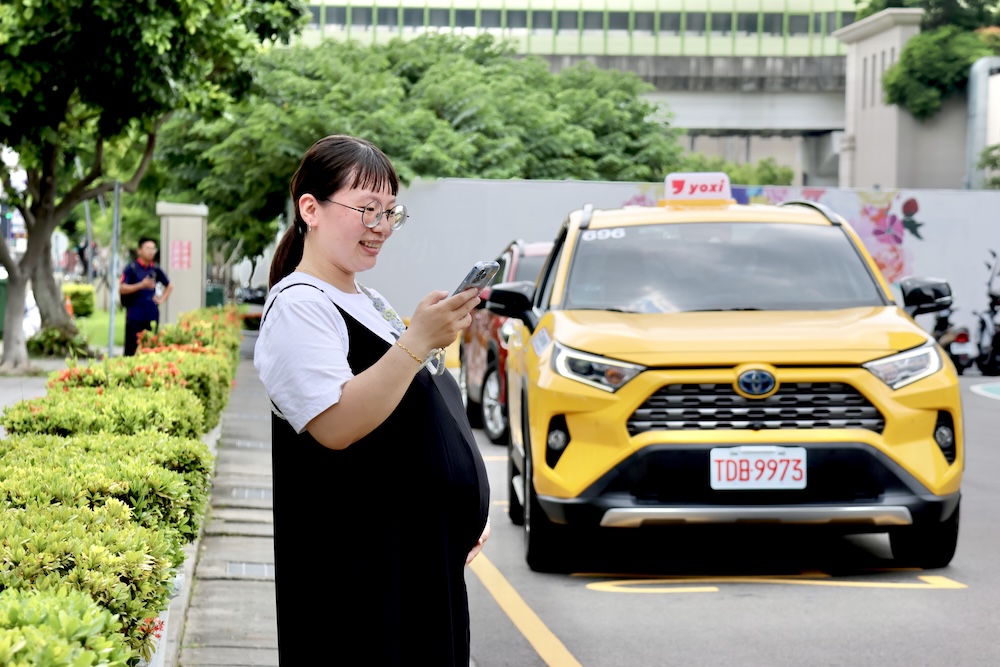
最後是「精準守護」,把政策做得更貼近生活,也更有溫度。例如「好孕乘車」透過《台中通》提供孕媽咪6,000元交通支持,可被立即使用的幫助,使照顧不是口號;又如將「雙十公車」優惠擴大至外籍永久居留人士,城市的友善不只對內,也能對外。
經營讓人想留下來的生活方式
「科技不是目的,是實現幸福宜居的工具。」也因此,鄭照新希望,未來世界看見臺中時,不只是看見冷冰冰的數據中心,是一套可以被複製、具備生命溫度的治理典範。
若用一個關鍵詞定義這座城市的數位靈魂,鄭照新自信地說出他的答案:「以人為本的韌性治理!」建設與未來對話的方式,城市正朝向「生態、永續、人文、國際」的目標邁進。
A City That Hides "Smart" in Everyday Life
Cheng Chao-hsin on a People-Centered Vision for Resilient Governance
In central Taiwan, Taichung is undergoing a rare dual transition: digital transformation alongside net-zero. Once known for manufacturing, the city is now using AI and big data to turn industrial strength into a quieter kind of protection, one that supports daily life without demanding attention.
"The standard of a smart city isn't how advanced the technology is," says Taichung Deputy Mayor Cheng Chao-hsin, "but how many people it helps feel safe." For him, smart governance begins with Taichung's industrial foundation and extends into policy design and everyday experience.
From Manufacturing Depth to an AI-Robotics Supply Chain
Taichung's transformation is rooted in a mature precision-machinery ecosystem, spanning components, machine tools, automation, robotic arms, systems integration, and smart manufacturing services. In response to supply-chain shifts and market volatility, the city is not treating AI as software alone, but embedding it into production lines as a real manufacturing capability.
Cheng describes this as a "front shop, back factory" model: exhibitions and global exchange on one end, manufacturing capacity and industrial linkages on the other. With the opening of the Taichung International Convention and Exhibition Center, the city is linking exhibitions with collaboration, prototyping, and commercialization.
Through programs such as Taichung's Local Industry Innovation R&D Promotion Program and the Enterprise AI Application Academy, more than 6,825 participants have received training over the past three years, helping AI enter real workflows, from management and data analysis to decision-making.
Digital + Net-Zero: Resilience as a System
Cheng frames Taichung's governance blueprint as a dual-engine model: digital tools improve precision and efficiency, while net-zero strengthens stability under climate risk. Through the Taichung City Sustainable Net-Zero Self-Government Ordinance, the city has set targets of a 30% carbon reduction by 2030 and net-zero emissions by 2050.
Resilience is treated as a cycle of early warning, dispatch, response, and recovery. Taichung has installed uninterrupted traffic-signal systems at 187 key intersections, while its 5G-enabled emergency network raises the green-light rate for ambulances to 72%, saving an average of 13~40 seconds per mission.
On sustainability, the city emphasizes measurable outcomes. The Water Resources Bureau uses black soldier fly larvae to reduce sludge volume by about 40% and has passed ISO 14067 carbon footprint verification. Taichung's LED streetlight program is expected to generate nearly 3,000 metric tons of carbon credits over ten years.
A Livable Smart City Where Technology Stays Invisible
Taichung's vision is simple: citizens should not have to adapt to complex systems; technology should become an invisible safeguard. To narrow the digital divide, the city has built 1,195 free iTaichung Wi-Fi hotspots and provides interfaces in six languages.
Through TCPASS, Taichung's single digital entry point, residents can access more than 2,600 municipal services across commuting, childcare, healthcare, and public administration. The city also promotes precision-care policies, including transportation support for expecting mothers and broader transit benefits for foreign permanent residents.
"Technology is not the purpose," Cheng concludes. "It's the tool for making a city truly livable." He defines Taichung's direction as people-centered resilient governance, a model that turns industrial depth into future competitiveness and governance into a way of life people want to stay for.
文章參考ChatGPT翻譯|Translation assisted by ChatGPT.