RoboTaichung賦予機器人產業新生命
藍濤亞洲總裁黃齊元以「實體AI」串聯產官學研金,促成台中機器人聯盟,把臺中隱形冠軍推向國際。
輝達執行長黃仁勳喊出「實體AI」,為擁有全台最密集精密機械聚落的臺中帶來翻身契機。藍濤亞洲總裁、東海大學校友黃齊元,從投資銀行家轉身為「搭橋人」,指出臺中正面臨政策資源失衡、美中貿易夾縫與科技標籤缺失三重壓力。他以「平台聯盟、國際化、AI升級」三步驟,促成「台中機器人聯盟」(RoboTaichung)成立,串聯產、官、學、研、金五方;並成立亞橋基金會對接喬治亞理工學院,在美國好奇心實驗室打造「台灣機器人聚落」,推動東海「智慧碳中和園區」跨國合作與AI課程。下一步,他將在東海133公頃校地推動數百億元的「李國鼎AI智慧生態園區」,讓臺中在實體AI浪潮中從被忽視的夾縫走向關鍵位置。
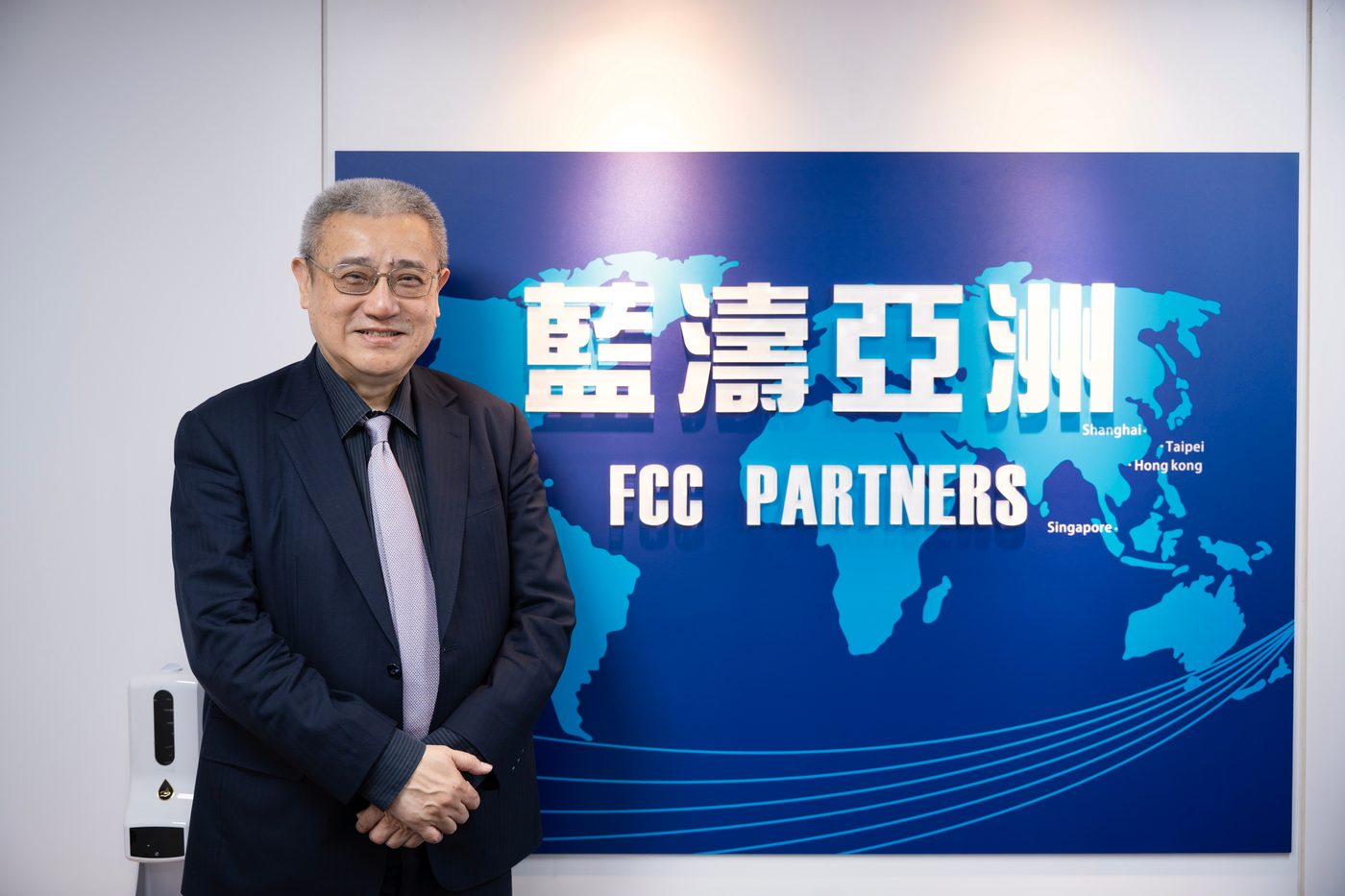
當輝達(NVIDIA)執行長黃仁勳在GTC舞台上喊出「實體AI」(Physical AI)一詞,全球科技版圖瞬間多了一條新戰線。對多數城市而言,這是一場遙遠的競賽;但對臺中來說,卻可能是一次翻身的契機。這座城市擁有全台最密集的精密機械與工具機聚落,卻長期被貼上「傳統產業」的標籤,在半導體與雲端基礎建設的鎂光燈外,略顯沉默而邊緣。
藍濤亞洲總裁黃齊元,同時也是東海大學校友,這幾年選擇從投資銀行家的身分更進一步,走上「搭橋人」的位置。
回饋初心 挖掘臺中被低估的潛力
黃齊元1982年從東海大學企管系畢業,後來到美國史丹佛大學念完MBA,投身投資銀行業超過四十年,做過摩根大通、怡富證券、里昂證券,也待過寶來金融集團,2010年創辦了藍濤亞洲,並擔任台灣併購與私募股權協會創會理事長。
「我對這座城市是有深厚感情的,臺中本身也相當有潛力,所以我決心回饋在地。」黃齊元說。他是道地的臺北人,但在東海念了四年書,這些年又常跟臺中「磐石會」等隱形冠軍企業打交道,讓他對這座城市多了一份牽掛。
在他看來,臺中正夾在雙重、甚至三重壓力之間:第一重是政策資源的失衡,中央資源多半流向北部桃竹的高科技園區與南部臺南、高雄的半導體聚落,臺中相對缺乏政策關愛,卻要承擔污染與供電等外部成本;第二重是美中貿易的夾縫,過去不少「中國概念股」企業在美中競爭下轉型壓力沉重,也因缺乏半導體話題性,在新一波企業赴美投資熱潮中顯得相對沉寂。
第三重,則是科技標籤的缺失——臺中擁有捷安特、喬山、寶成等世界級隱形冠軍,以及實力雄厚的工具機與零組件產業,但外界印象始終停留在「傳統產業」,而不是「高科技」。「傳統產業不該再用低附加價值製造來定位自己,」他強調,該做的是把實體AI與人形機器人這類新技術用進去,讓製造升級成「智造」。
用「實體AI」重新定義臺中
黃齊元把黃仁勳提出的「實體AI」概念,當成臺中重新定義自己的機會。實體AI包含四大領域:自駕車、機器人、無人機、智慧製造。自駕車在台灣發展受限,但其餘三項正是臺中的強項。他有一套好記的說法:「機器人是會動的AI,無人機是會飛的機器人,自駕車則是會跑的機器人。」
「第一要有平台、要有聯盟;第二要走向國際化;第三要透過AI完成升級。」黃齊元歸納出臺中切入這場賽局的三個步驟,也成了他後續一連串行動的骨架。今年,「台中機器人聯盟」(RoboTaichung)宣告成立。「我的角色是促成者、Facilitator,不是領導者。」黃齊元說。他把投資銀行家整合資源的本事,用來串接產、官、學、研、金五方,成員包括新漢、創博、上緯國際、耐能等企業,以及東海、中興、中國醫藥大學等校的機器人研發團隊。黃齊元打造了一個開放平台,任何想跟國際接軌、想轉型的企業都能加入。
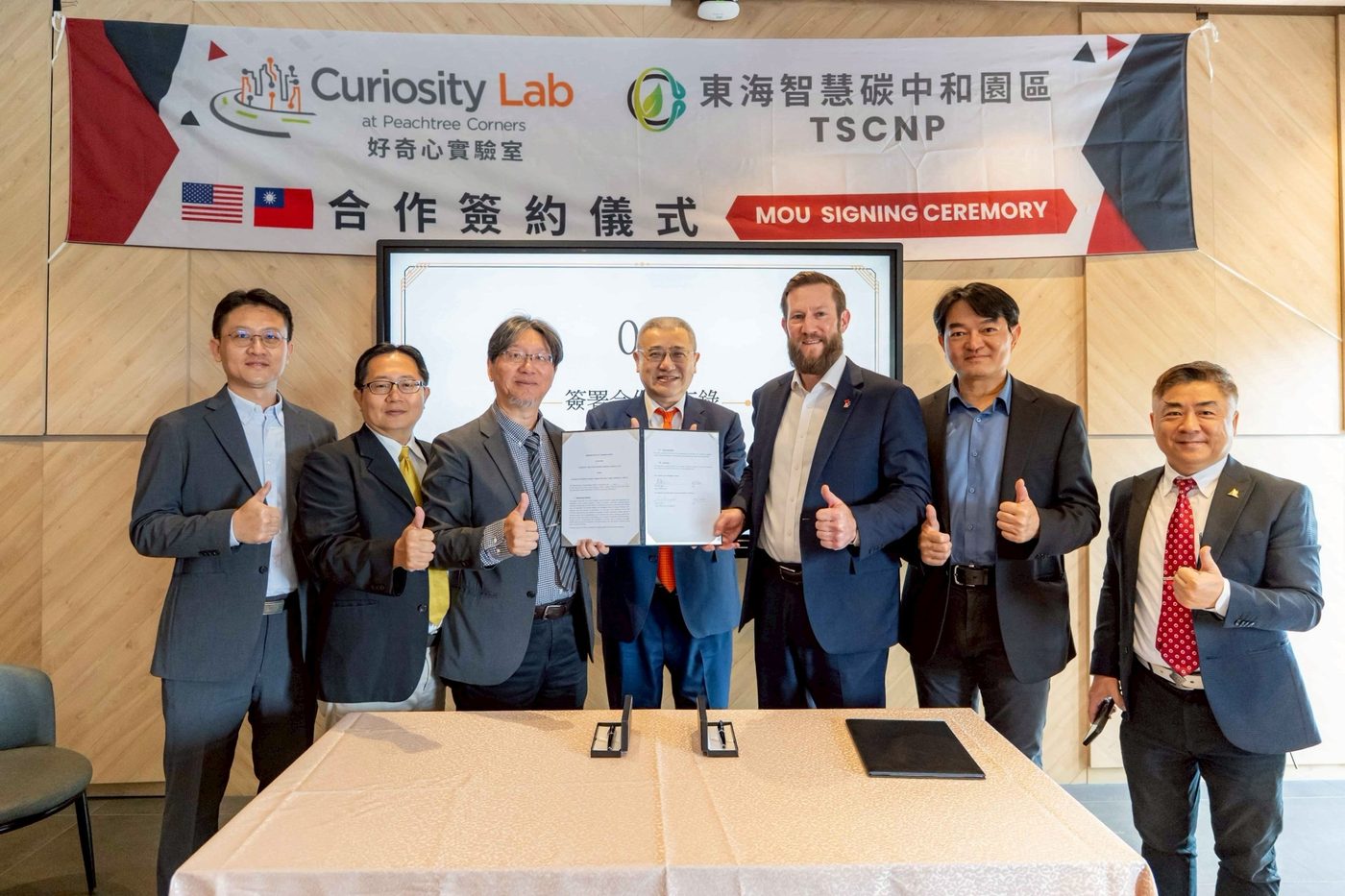
今年四月,這個佈局有了重要進展:美國喬治亞州的頂級智慧園區「好奇心實驗室」團隊來台,宣布支持RoboTaichung的合作倡議,並與東海大學「智慧碳中和園區」簽署合作備忘錄。RoboTaichung目前已與「美國喬治亞州機器人聯盟」(RoboGeorgia)、歐洲數個機器人研發中心,以及新加坡南洋理工大學、越南自動化產業協會建立合作關係,讓臺中的隱形冠軍有機會站上國際舞台。
把喬治亞理工的資源搬回臺中
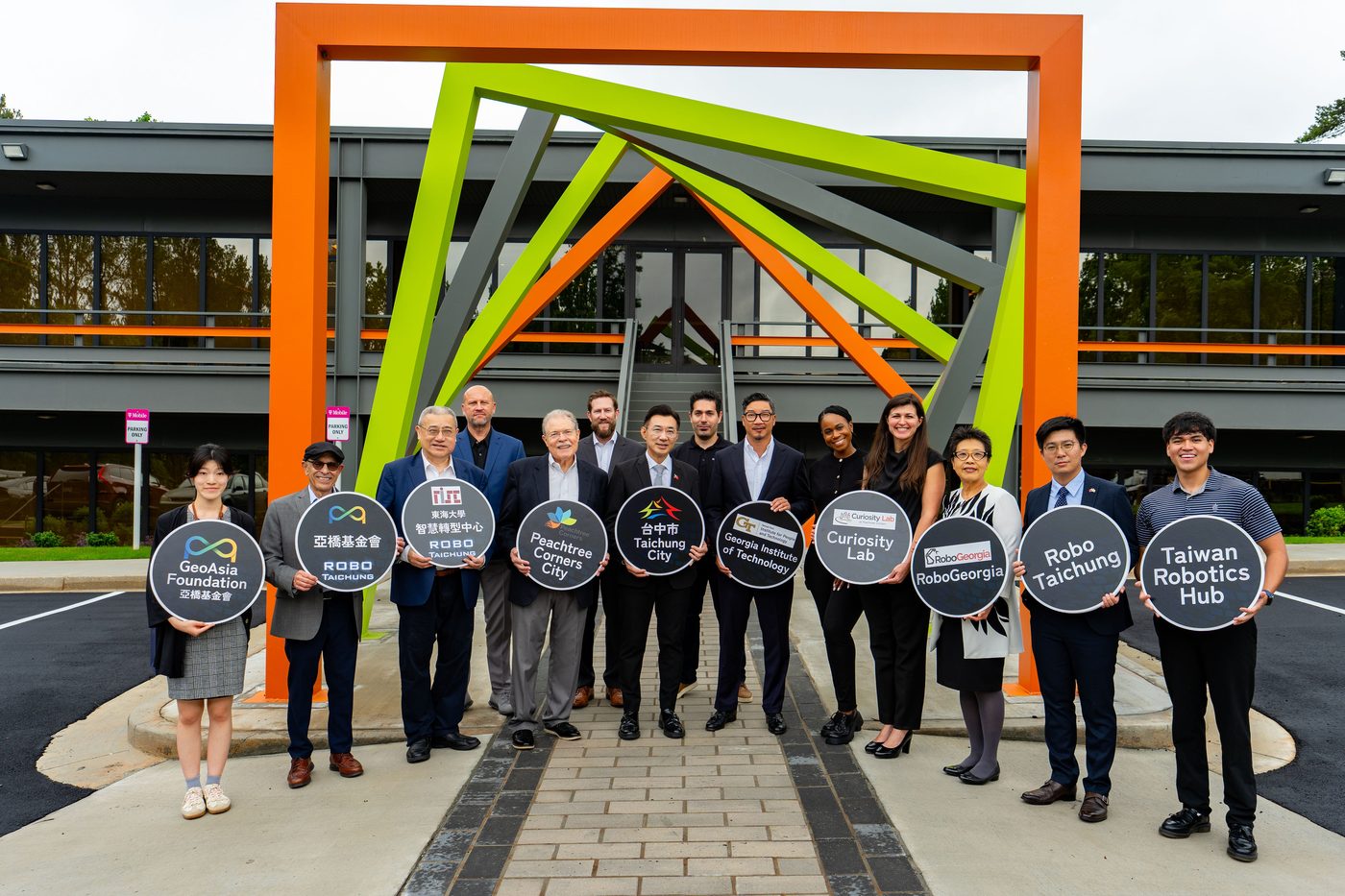
為了讓這些跨國連結長期化,黃齊元去年在臺中成立「亞橋基金會」,對接美國排名頂尖的喬治亞理工學院。亞特蘭大所在地擁有全球最大的空港,也是達美航空總部與軍工大廠洛克希德馬丁的根據地,航太與機器人資源相當豐富。好奇心實驗室成立於2019年,占地四百公頃,被視為美國最頂級的智慧園區之一,本質上是一座讓新創企業實地驗證技術的「Living Lab」。
合作之後,亞橋基金會更進一步在該園區內打造專屬的「台灣機器人聚落」(Taiwan Robotics Hub),成為第一個落地美國的台灣特定產業新創園區,讓台灣的機器人公司能在當地直接進駐,就近取得市場資源。今年五月,立法院副院長已在基金會安排下參訪喬治亞理工;八月,黃齊元帶台中機器人聯盟(RoboTaichung)企業赴美,參加喬治亞機器人聯盟年度高峰會。
東海大學:把國際資源搬進臺中校園
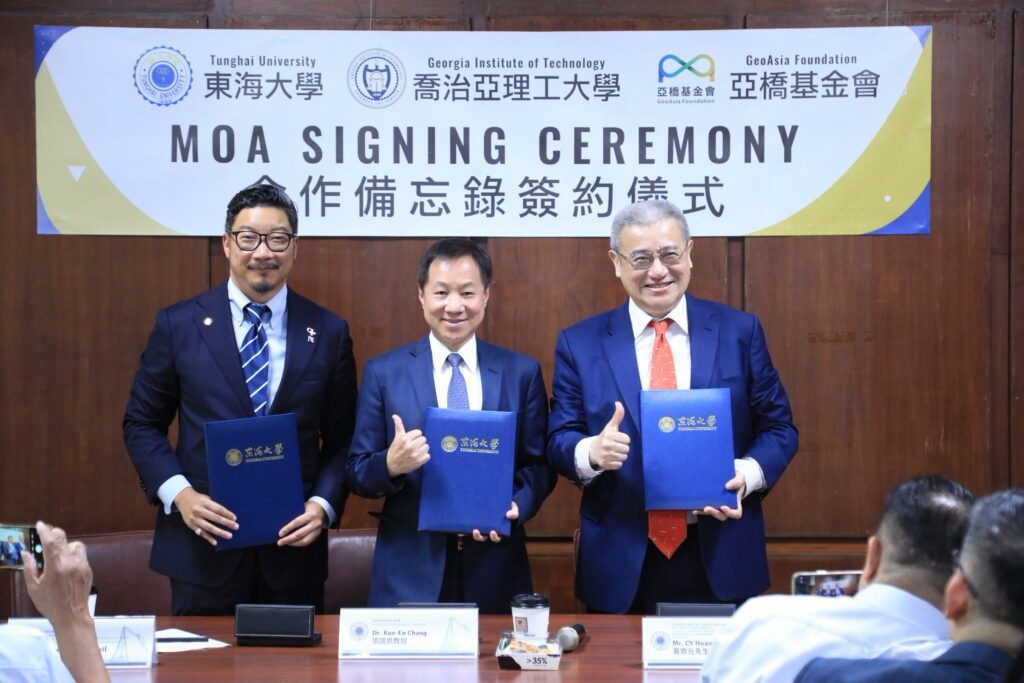
東海大學一直是黃齊元實踐願景的基地。早在2018年,他就協助母校成立「產業智慧轉型中心」(TISC),這是台灣第一個以「智慧轉型」而非「數位轉型」命名的學術中心。「數位轉型只是把東西搬上雲端,智慧轉型還要加上生成式AI跟大數據分析。」他解釋兩者的差別。同一年,他也促成東海與亞馬遜AWS簽署合作備忘錄,成立橫跨資工、工工、電機、企管、資管五學系的「雲創學院」,讓這所以人文見長的文理型大學,成為全台首創擁有雲端學院的學府,一度引起各界矚目。
如今,東海校園裡設有「智慧碳中和園區」作為實驗場域,未來將透過5G連線與美國好奇心實驗室串接,讓企業能進行跨國研發試驗。今年五、六月,基金會也推動東海與喬治亞理工合開跨國AI課程,由三位美方教授親自線上授課,吸引中部25家企業主參與。
機器人無所不在,下一步是數百億的園區計畫
黃齊元引用SpaceX的創始人馬斯克「機器人數量終將超越人類」的說法,描繪實體AI落地生活的下一步:從工廠端的B2B應用,延伸到家庭照護的B2C場景,機器人被寄予解決長照人力缺口、優化智慧醫療與智慧物流的期待,尤其在少子化衝擊下,機器人補位人力的角色只會愈來愈重。與此同時,美中競爭下全球正加速打造「非紅供應鏈」,這對臺中的機器人與無人機產業而言,是一個規模不小的機會窗口。
他也透露下一步的重磅計畫:將在李國鼎科技發展基金會支持下,於東海大學尚未開發的校地上,打造一座耗資達數百億台幣的「李國鼎AI智慧生態園區」。東海擁有133公頃廣闊腹地,具備成為國際級AI應用場域的條件,這也將是他推動臺中乃至台灣轉型的最重要藍圖。黃齊元投資銀行家整合資源的能力,從資本市場搬到機器人生態系,試圖讓臺中在實體AI的浪潮中,從被忽視的夾縫,走向改變世界的關鍵位置。
「改變自己、改變企業、改變世界。」這是他就讀史丹佛商學院時牢記至今的院訓,如今也成了他在臺中這場實體AI突圍戰裡,最貼切的註腳。
RoboTaichung brings new life to the robotics industry
Building an ecosystem, CY Huang uses “Physical AI” to bring Taichung’s hidden champions to the world stage
When NVIDIA CEO Jensen Huang used the term "Physical AI" on the GTC stage, a new front instantly opened in the global technology landscape. For most cities, this is a distant race. For Taichung, it may be a chance to turn the tables. The city has Taiwan's densest cluster of precision machinery and machine tool companies, yet it has long been labeled a "traditional industry" hub. Outside the spotlight on semiconductors and cloud infrastructure, Taichung has seemed quiet and somewhat sidelined.
CY Huang, President of FCC Partners and an alumnus of Tunghai University, has in recent years chosen to go beyond his identity as an investment banker, embracing a new role as a "bridge builder."
Returning to his roots and uncovering Taichung's underrated potential
CY Huang graduated from the Department of Business Administration at Tunghai University in 1982, then earned an MBA from Stanford University in the United States. He has worked in investment banking for more than 40 years, with experience at JPMorgan, Jardine Fleming, CLSA, and Polaris Financial Group. In 2010, he founded FCC Partners and also served as the founding chairperson of the Taiwan M&A and Private Equity Council.
"I have deep feelings for this city, and Taichung itself has great potential. That is why I am determined to give back locally". Huang says. He is a Taipei native, but he spent four years studying at Tunghai University. In recent years, his frequent interactions with many of Taichung's hidden champion companies, including members of The Entrepreneur Club, have further deepened his connection to the city.
In his view, Taichung is caught between two, or even three, layers of pressure. The first is an imbalance in policy resources. Central government resources mostly flow to the high-tech parks in Taoyuan and Hsinchu in the north and the semiconductor clusters in Tainan and Kaohsiung in the south. Taichung receives relatively little policy attention, yet it still bears external costs such as pollution and power supply pressure. The second is the squeeze from U.S.-China trade tensions. Many companies once seen as "China concept stocks" face heavy pressure to transform amid U.S.-China competition, and because they lack the buzz of the semiconductor sector, they appear relatively quiet in the latest wave of companies investing in the United States.
The third layer is the lack of a technology label. Taichung is home to world-class hidden champions such as Giant, Johnson Health Tech, and Pou Chen, along with strong machine tool and component industries. Yet the outside world still sees it as "traditional industry", not "high-tech". "Traditional industries should no longer define themselves by low-value added manufacturing", he stresses. What they should do is bring in new technologies such as Physical AI and humanoid robots, and upgrade manufacturing into smart manufacturing.
Redefining Taichung through "Physical AI"
Huang sees Jensen Huang's idea of "Physical AI" as an opportunity for Taichung to redefine itself. Physical AI covers four major fields: autonomous vehicles, robots, drones, and smart manufacturing. Autonomous vehicles face limits in Taiwan, but the other three are exactly where Taichung is strong. He has an easy way to explain it: "Robots are AI that can move, drones are robots that can fly, and autonomous vehicles are robots that can run".
"First, we need a platform and an alliance. Second, we need to go international. Third, we need to complete the upgrade through AI". Huang sums up Taichung's entry into this race in three steps, which have become the backbone of his later actions. This year, the Taichung Robotics Alliance, RoboTaichung, was launched. "My role is a facilitator, not a leader". Huang says. He has applied the resource integration skills of an investment banker to connect industry, government, academia, research, and finance. Members include companies such as NEXCOM, Transcend Robotics, Swancor, and Kneron, as well as robotics research teams from Tunghai University, National Chung Hsing University, and China Medical University. Huang has created an open platform where any company that wants to connect internationally or transform can take part.
This April, the plan made major progress. A team from Curiosity Lab at Peachtree Corners, a leading smart city living lab in Georgia, visited Taiwan, announced support for RoboTaichung's cooperation initiative, and signed a memorandum of understanding with Tunghai University's Smart Carbon Neutral Campus. RoboTaichung has now built partnerships with RoboGeorgia, several robotics research and development centers in Europe, Nanyang Technological University in Singapore, and the Vietnam Automation Association, giving Taichung's hidden champions a chance to step onto the international stage.
Bringing Georgia Tech resources back to Taichung
To make these cross-border links long-term, Huang established the GeoAsia Foundation in Taichung last year to connect with the Georgia Institute of Technology, one of the top-ranked technology universities in the United States. Atlanta is home to the world's largest airport, as well as the headquarters of Delta Air Lines and major defense contractor Lockheed Martin. Its aerospace and robotics resources are extremely strong.
Curiosity Lab was established in 2019 and covers 400 hectares. It is seen as one of the top smart city living labs in the United States, essentially giving startups a real-world environment to test and validate technologies.
After the partnership began, GeoAsia Foundation took a further step by building a dedicated Taiwan Robotics Hub inside the lab. It became the first U.S.-based startup zone dedicated to a specific Taiwan industry, allowing Taiwanese robotics companies to move in directly and access market resources nearby. This May, Legislative Yuan Vice President visited Georgia Tech under arrangements by the foundation. In August, Huang led RoboTaichung member companies to the United States to attend the RoboGeorgia Summit.
Robots are everywhere, and the next step is a multibillion-dollar campus plan
Huang cites SpaceX founder Elon Musk's view that the number of robots will eventually surpass the number of humans, using it to describe the next stage of Physical AI in daily life. Applications will move from B2B factory settings into B2C home care scenarios. Robots are expected to help ease long-term care labor shortages, improve smart healthcare, and upgrade smart logistics. Under the impact of a falling birth rate, their role in filling labor gaps will only grow. At the same time, U.S.-China competition is accelerating the global push to build non-red supply chains. For Taichung's robotics and drone industries, this is a major window of opportunity.
He also revealed his next major initiative: with support from the K.T. Li Foundation for the Development of Science and Technology, he plans to develop the "K.T. Li AI Smart Ecosystem Park" on currently undeveloped land at Tunghai University, with an investment of tens of billions of NT dollars. With 133 hectares of land, Tunghai has the space and potential to become a world-class hub for AI applications. The project will also serve as the centerpiece of his vision for driving the transformation of Taichung and, ultimately, Taiwan.
Huang has brought his investment banking skills in resource integration from the capital markets into the robotics ecosystem, aiming to help Taichung move from an overlooked gap in the Physical AI wave to a key position where it can help change the world. "Change yourself, change your company, change the world".
This is the school motto he has remembered since his time at Stanford Graduate School of Business. Today, it has also become the most fitting note to his Physical AI breakthrough effort in Taichung.
文章參考ChatGPT翻譯|Translation assisted by ChatGPT.