讓偏鄉孩子握有同等的智慧鑰匙
從「優客李林」到AI教育,李驥以語言邏輯結合AI與情緒教育,為臺中偏鄉孩子打開因材施教之門。
曾以「優客李林」紅遍樂壇、同時具備IT背景的李驥,如今跨足AI、心理諮商與傳統文化,投身偏鄉教育。在臺中市數位發展局與東海大學於新成國小合辦的「2026 AI超人教育營」中,他將AI科技與情緒教育結合。李驥認為心理諮商與寫程式的核心都是「語言邏輯」,並提出「無結構教學」:導入AI代理人後,孩子透過任務導向遊戲就完成評量,學得快的往前走,需要時間的也不必自卑。他觀察到偏鄉孩子的好奇心與韌性往往更強,互動式AI能讓課堂專注力提升至四分之三以上。他也曾以「畢業製作」引導學生把情緒寫成歌詞、再以AI完成旋律,修復親子與師生關係。李驥肯定臺中升格數位發展局的遠見,期待AI讓偏鄉孩子與世界同步接軌。
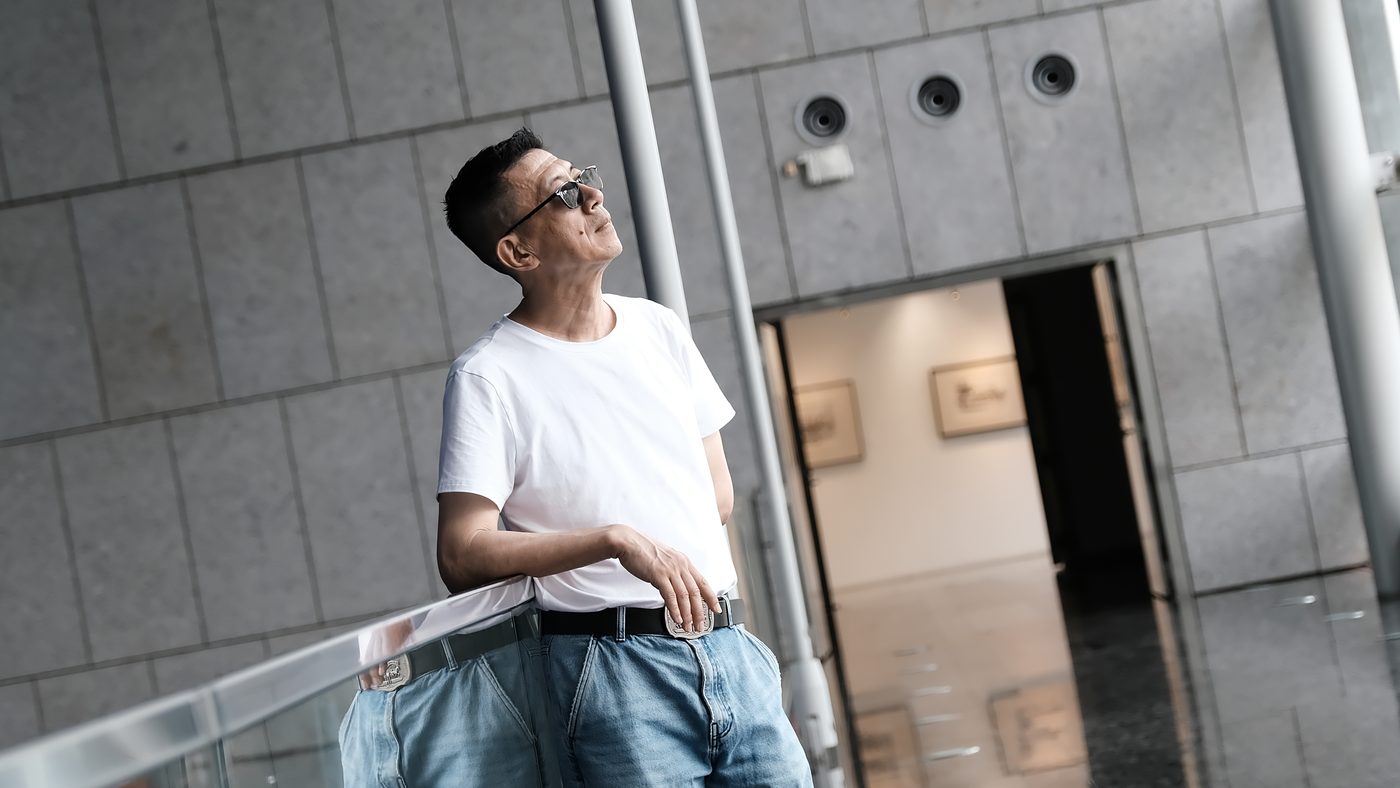
曾以「優客李林」紅遍樂壇、同時深諳IT資訊的李驥,如今跨足AI、心理諮商與傳統文化,投身偏鄉教育。臺中市數位發展局、東海大學於山城新成國小攜手舉辦獲得好評的「2026AI超人教育營」,李驥在其中將AI科技與情緒教育結合。透過李驥,看政府與民間力量如何以科技與人文交織出智慧城市新藍圖,打破地域限制,讓因材施教的教育真正落地。
找到科技、心理與傳統文化的交會點
外界或許好奇,一位寫歌的音樂人,如何跨足心理諮商,又如何回頭與AI工具相結合?
「這在抽象層面上,其實一點都不跳脫,因為世界的結構就是語言的結構。」李驥眼神敏銳且堅定地說明。有著歌手、IT工程師、心理諮商師與教師等背景的他,指出心理諮商是在傾聽對方語言中「不合邏輯」的部分,藉此梳理背後的壓抑與情緒;而寫程式則是聽懂需求、分析邏輯,進而提出解決方案。無論是感性的文史哲還是理性的資訊工程,核心都建立在「語言邏輯」之上。
正因如此,AI之所以能給予人類極高的情緒支持,正是因為它讀遍了全世界的文獻,將語言邏輯的演算法發揮到極致。而嚴謹的文字與語言,正是邏輯推演與控制AI提示詞的共同基礎。
當這種強調語言邏輯的科技,碰上傳統因材施教的理念時,李驥順勢提出了前沿的「無結構教學」概念。他指出,臺灣各級政府在硬體上的建置,已大幅拉近了城鄉的資訊鴻溝,但在軟體思維上,教育現場仍常受限於齊頭式的常模考核。在同一個班級裡,每個孩子的發展節奏本就存在個體差異,傳統教育用同一份期中、期末考卷為所有人打分數,往往讓發展稍慢的孩子產生自卑感,甚至激發強烈的情緒對抗。
「導入AI代理人(AI Agent)的概念後,學習將徹底個性、個人化。」李驥解釋,當孩子與專屬的AI代理人透過任務導向型遊戲進行互動時,系統在過程中就已經完成了評量,能精準辨識出孩子在數學、國語或自然等不同學科的實質進度,並依照其節奏給予刺激。學得快的能盡快往上走,需要時間的孩子,也能在不被催促、沒有自卑感的環境下前進,這正是AI帶給教育現場最大的平等權力,真正打破了年級的僵化結構。
山城現場:偏鄉孩子的意外韌性
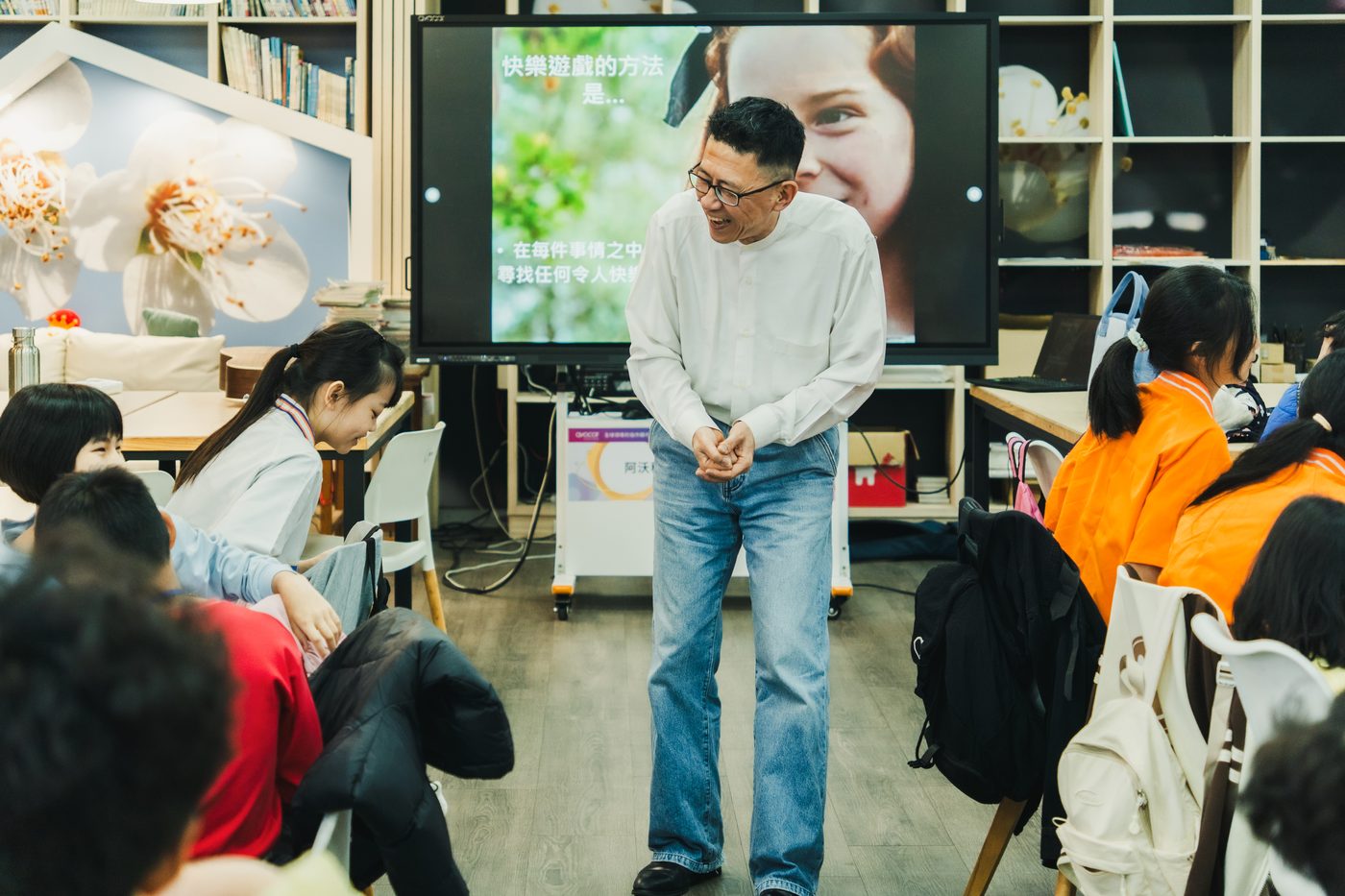
這套適性發展的理念並非空中樓閣,而是早已在臺中山城的教學現場初見眉目的實踐方向。在與數位局合作的偏鄉教育營隊中,李驥實地觀察到,偏鄉孩子在溝通表達上或許較為害羞,但他們的好奇心、耐心與情緒力往往比都會區孩子更具韌性。
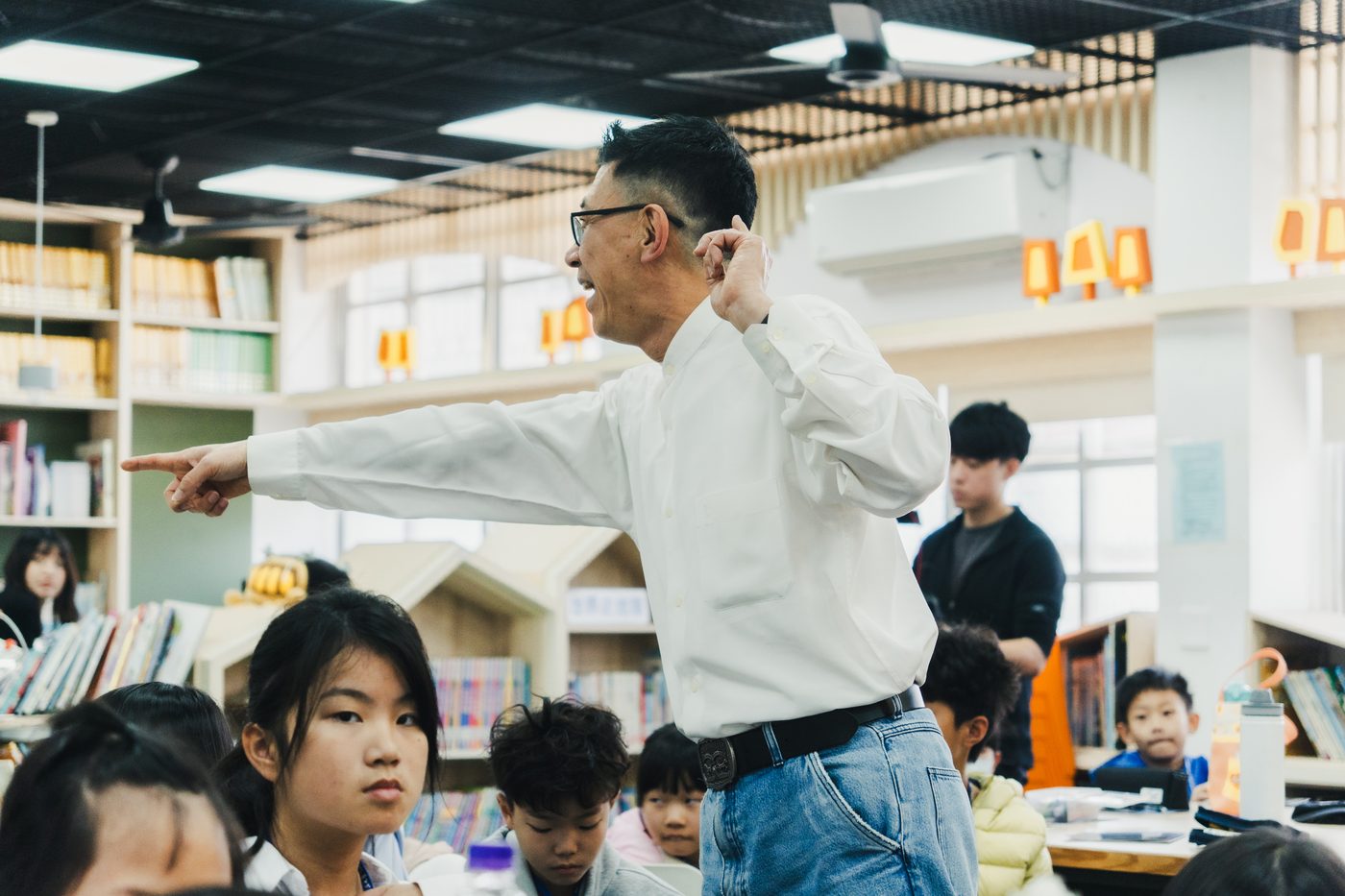
面對有些家長對3C產品與AI恐造危害的擔憂,李驥認為:「任何學習都帶著風險。」與其因未知而盲目阻止,不如在教育體系中引導孩子正確使用。現場經驗顯示,互動性強的AI與遠距教學媒介,能將學生的課堂專注力大幅提升至四分之三的時間以上,這對偏鄉孩子而言,正是極具吸引力的稀缺教育刺激。
一首用音樂寫成的畢業製作
李驥也分享了自身教學現場的深刻案例:他曾帶領一位與體制強烈衝突、情緒極不理想的六年級學生。該生雖然在數理上遇到障礙,卻具備極高的文字天賦。李驥決定打破傳統排名的評量結構,改以「畢業製作」代替考試,引導孩子將滿腹的情緒與心情寫成歌詞,兩人來回討論修改,最終透過AI協助完成旋律,創作出三首屬於孩子自己的歌曲。
當孩子聽到自己的內心世界被音樂具象化,不僅獲得了巨大的成就感,也變得願意與家人分享,化解了原本瀕臨破碎的親子與師生關係。
「音樂就是個人的情緒,是一個人自我救贖與調整的絕佳方法。」李驥溫暖地說,這就是科技為人性服務的最好證明。
從資訊中心到數位發展局:臺中的智慧治理布局
移居臺中已有五年的李驥,如今也高度肯定臺中市政府將原本隸屬研考會的資訊中心升格為數位發展局的戰略遠見。他強調:「AI不是都會區的專利,它正是打破地理疆界、讓偏鄉孩子與世界同步接軌的關鍵工具。」對於臺中城市的數位治理,他也因此充滿期待。
從偏鄉孩子的教育理念,聊到智慧城市的運作藍圖,李驥將科技的理性與人文的感性融為一體。雖然當前的教育現場不論家長或老師,都正處於被時代浪潮推著走的巨大焦慮中,但李驥卻感到無比興奮。他認為,臺中市政府的投入與民間力量的緊密結合,正讓這座城市站在最大一波教育改革的浪尖上。
「我們畢竟是要給孩子迎戰未來的世界。」李驥說。透過科技的理性能量與人文的感性溫度,臺中的偏鄉孩子即使身在地理的遠端,也將握有同等的智慧鑰匙,勇敢地走向未來世界。
Giving Rural Children the Same Key to Smart Learning
From Yu Ke Li Lin to AI education: Lee Chi uses language logic to break down the boundaries of rural education
Lee Chi, who rose to fame as one half of Yu Ke Li Lin, one of Taiwan's best-known pop duos, and also has deep IT expertise, has now moved into AI, counseling, and traditional culture, devoting himself to rural education. The Digital Affairs Bureau of Taichung City Government and Tunghai University jointly held the well-received "2026 AI Superhero Education Camp" at Shincheng Elementary School in Taichung's mountain area, where Lee Chi brought AI technology together with emotional education. Through Lee Chi, we see how government and civic partners are weaving technology and the humanities into a new smart city blueprint, breaking geographic limits and making adaptive education truly work on the ground.
Finding where technology, psychology, and traditional culture meet
People may wonder how a songwriter and musician moved into counseling, and then connected it back to AI tools.
"At an abstract level, this is not a leap at all, because the structure of the world is the structure of language". Lee Chi explains this with a sharp and steady gaze. With a background as a singer, IT engineer, counselor, and teacher, he says counseling means listening for the "illogical" parts in someone's language, then sorting out the repression and emotions behind them. Programming is about understanding needs, analyzing logic, and finding solutions. Whether it is the emotional world of literature, history, and philosophy, or the rational world of information engineering, the core is built on "language logic".
That is why AI can offer such strong emotional support. It has read texts from around the world and pushed the algorithms of language logic to the limit. Precise words and language are the common foundation for logical reasoning and for guiding AI prompts.
When technology that emphasizes language logic meets the traditional idea of teaching each student according to their needs, Lee Chi naturally arrives at the forward-looking idea of "unstructured teaching". He says governments at all levels in Taiwan have greatly narrowed the urban-rural digital divide through hardware development. But in terms of mindset and teaching design, classrooms are still often limited by one-size-fits-all, norm-based assessment. In the same classroom, every child develops at a different pace. Traditional education uses the same midterm and final exams to grade everyone, which often makes children who need more time feel inferior, and can even trigger strong emotional resistance.
"Once the idea of an AI agent is introduced, learning will become fully individualized and personalized". Lee Chi explains that when children interact with their own AI agents through mission-based games, assessment is already completed in the process. The system can accurately identify each child's real progress in subjects such as math, Mandarin, and science, then give the right stimulation at that child's own pace. Fast learners can move ahead quickly, while children who need more time can keep going without pressure or shame. This is the greatest form of equality AI can bring to education, because it truly breaks the rigid structure of grade levels.
In the mountain area: the unexpected resilience of rural children
This idea of adaptive development is not just theory. It is already taking shape in classrooms in Taichung's mountain area. In the rural education camp held with the Digital Affairs Bureau, Lee Chi observed that rural children may be more shy when communicating, but their curiosity, patience, and emotional strength are often more resilient than those of children in urban areas.
In response to parents who worry that digital devices and AI may cause harm, Lee Chi says, "AI learning comes with risks". Rather than blocking children blindly because of the unknown, it is better to guide them within the education system and teach them how to use these tools properly. On-site experience shows that highly interactive AI and remote learning tools can raise students' classroom focus to more than three quarters of the class period. For rural children, this is a rare and highly engaging form of learning stimulation.
A graduation project written in music
Lee Chi also shares a powerful case from his own teaching experience. He once worked with a sixth grader who was in deep conflict with the system and in a very poor emotional state. Although the student struggled with math and science, the child had a strong gift for words. Lee Chi decided to break away from the traditional ranking-based assessment structure and replace exams with a "graduation project". He guided the child to turn deep emotions into lyrics. The two discussed and revised the words back and forth, and eventually used AI to help complete the melodies, creating three songs that truly belonged to the child.
From the Information Center to the Digital Affairs Bureau: Taichung's smart governance strategy
Lee Chi, who moved to Taichung five years ago, highly commends the Taichung City Government's strategic vision in upgrading the Information Center, originally under the Research, Development and Evaluation Commission, into the Digital Affairs Bureau. He stresses, "AI is not the exclusive domain of urban areas. It is a key tool for breaking down geographic barriers and helping rural children keep pace with the world". That is why he has high expectations for Taichung's digital governance.
From ideas on rural education to the blueprint for a smart city, Lee Chi brings together the rational power of technology and the warmth of the humanities. Although parents and teachers today are all facing deep anxiety as they are pushed forward by the tide of the times, Lee Chi feels deeply excited. He believes the Taichung City Government's investment, together with close support from civic partners, is placing the city at the forefront of a major wave of education reform.
"After all, we are preparing children to face the future world". Lee Chi said. With the rational power of technology and the human warmth of the humanities, rural children in Taichung, no matter how geographically remote they may be, will hold the same key to smart learning and step bravely into the future.
文章參考ChatGPT翻譯|Translation assisted by ChatGPT.